Heaven and/or Hell ?

Being a misanthrope at heart, I always loved Sartre’s definition,” Hell is Other People”. Many a times I have lived in my imaginary Heaven where there is nobody except me on earth. A real Robinson Crusoe existence. But then the challenge starts. I want my daughter with me. I want my immediate family. I want this set of friends. These particular colleagues. These clients. This service provider. And this singer. This musician. This dramatist, etc. etc. ad infinitum. And very soon the world is populated all over again and you accept that you cannot really live alone. So possibly even Heaven is Other People.
One of the most mystical and widely speculated song of the Eagles in my hey-days was Hotel California; Don Henley sang,”

….Up ahead in the distance, I saw a shimmering light
My head grew heavy & my sight grew dim
I had to stop for the night…
…And I was thinking to myself
This could be Heaven or this could be Hell”
Then she lit up a candle and she showed me the way
There were voices down the corridor
I thought I heard them say

Welcome to the Hotel California
Such a lovely place (Such a lovely place)
Such a lovely face
Plenty of room at the Hotel California
Any time of year (Any time of year)
You can find it here

Is this song not defining both Heaven as well as Hell? Unfortunately we are brought up to believe that there would be stark differences between Heaven & Hell. One would be shining, glowing, comforting….while the other would be desolate, difficult & cruel. But what The Eagles are helping us question is are there really such clear differences between Heaven & Hell? Or are they really identical twins difficult to differentiate? This could be Heaven This could be Hell. The Master Magician could hide one under His hat & bring out the other? can we make out which is which? Is it only our conditioning which paints such different imagery? Or are they the same?

It is NOT only Rock music but others too have raised this fundamental question. I recollect a oft-told tale where a new arrival asks St. Peters what is the difference between Heaven & Hell. Peters invites him to walk with him, see the difference. After some damp & dark corridors, they reach a Dining Hall with a huge wooden table …hundreds feet long & 5 feet wide. The table is creaking with the choicest food items from all cuisines. Big bowls over-laden with food & fruits dot the table. Hungry people are sitting on both sides of the table…all tied to the chairs. Their one arm shackled to the chair. Other arm is free to eat but there is large, long wooden spoon (4 feet long) firmly tied, such that people cannot bend their elbow. Seeing the delicious food they are still trying to eat. But since the elbow is immobile, with the large 4 feet spoon, they cannot reach their mouth. In their effort the food ladled on the spoon is falling all around, reaching no one’s mouth. St Peter tells the new inmate, ” This is Hell”. They cannot bear the agony and screams of hungry people who see delicious food laid out in front, yet they cannot eat!! 

They walk onwards to the next hall. Here the situation is the same. 40*5 table laden with delicacies, food overflowing in bowls in the middle, people tied to chairs both sides of the table, one free arm with a large wooden spoon. Though the elbow cant be bent, here the people are picking up food in the outsize spoon and feeding others, on the opposite side of the table. And the others are reciprocating. So all can eat. St Peters says “this is Heaven”. Point being Heaven and Hell are the same physically, but the behavior of the people makes a big difference. Difficulties are same but cooperation finds solutions. Heaven & Hell could merely be a matter of perspective. How you look at the situation you are in & how you cope? Is this not our experience many a time in our lives? When you replace “why is this happening to me” with “what is this trying to teach me?” everything shifts.

We have all heard the idiom: The Road to Hell is paved with good Intentions. Does it mean the Road to Heaven is paved with bad intentions? Obviously no. How you behave and What decisions you take are the factors that propel you forward: whether on road to Heaven or to Hell. I am reminded of a Zen story where a famous Samurai goes to the Master & asks him to explain: what is Heaven & What is Hell. The Master asks him to wait. The famous Samurai sits for the full day, reminding the Master intermittently that he is waiting. Still the Master tells him “Wait I will call you”. Towards evening, after a long wait of 7/8 hours the Master calls him. As the samurai is coming near, the Master starts berating him with the choicest bad words. Calls him a arrogant buffoon, an egoistic fool & what not. The long wait & the uncalled-for insulting behavior of the Master makes the Samurai angry. “Why are you saying all this?” he asks. “Because” , says the master, “you are a pompous over rated fool who serves no purpose. Am sure you are not even a good warrior & your sword is rusted from un-use. Even if an enemy comes in front of you, you will be unable to do anything”. Hurt & angry the Samurai draws his sword & rushes to behead the Master. To the drawn sword, the Master says, “ There open the gates of Hell”. In that instant the Samurai understands what the Master was doing. Apologetic for raising the sword on the Master, the Samurai falls at his feet to beg forgiveness. The Master with full equanimity says,” There open the Gates of Heaven”. Legend has it at that moment the Samurai was enlightened. So, How do we act? How do we react? our behavior determines Hell or Heaven.

Mark Twain is credited with the quip.” Heaven has better climate, but Hell has better Company.” A story goes that a person is arguing with God asking to be sent to Hell because “that is where all my friends will be”. Heaven may be totally mono-chromatic for some of the colorful denizens on this earth. The Law of Karma will set a certain course for you. It is up to you to decide how you will behave. Acts and Intentions will indeed cast a long shadow to lighten or darken the path ahead. Whether you believe in reincarnation or not, your actions & intentions, your karma & samskaras can make your time on earth enjoyable & heavenly or push you into hell-fire
To end with Hotel California’s last stanza ..

And she said “We are all just prisoners here, of our own device”
…Last thing I remember
I was running for the door
I had to find the passage back to the place I was before
“Relax,” said the night man
We are programmed to receive
You can check-out any time you like
But you can never leave!”

Make your Hell Heaven or your Heaven Hell. Choice is yours: vikas

Ascetics, Exhausted, at Home

घर थकलेले सन्यासी

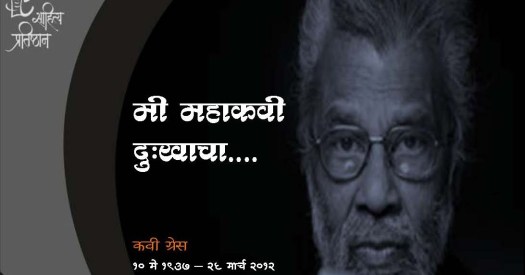
Marathi poet and writer Manik Godghate, popularly known as Kavi Grace, died in 2012 after a prolonged battle with throat cancer. Known for his writings that portrayed sorrows in human life with a mystical element & an out-of-the-world imagery, Grace was conferred the Sahitya Akademi Award. Some poets go from light to darkness; some others from darkness to light. But Grace befriended darkness, shaking hands with melancholy, reveling in anguish & chose to remain on the dark side of the moon & created experiences through his poems.

I am free” said Kavi Grace, “but I am not available”. Sorrow, Darkness, Eventide & Negativity were his constant imagery. Calling himself दुखाचा महाकवि…The Epic Poet of Sorrow, Grace left an indelible mark on Marathi literature. Earlier I have talked of his poem ती गेली तेव्हा (When She Left) in which he has talked of the pain of losing his mother quite early. Today I will tell you about घर थकलेले सन्यासी. As you go through the poem, you will realize it talks about each one of us, who are world weary, and still travelling!!

घर थकलेले सन्यासी, हळू हळू भिंतही खचते
आईच्या डोळयामधले नक्षत्र मला आठवते

“Exhausted travelers, locked at home/ Slowly the walls also close in/ I remember the bright constellation, in my mother’s eyes”. Grace had a lonely childhood, having lost his mother very early. With his father constantly travelling, the solitude sparked poetry within Grace. But loneliness & pain never left him. In my own case, I had the fortune of having both my parents living till I was 57 years of age. But the loss is still painful. The feeling of being boxed in, of the walls around me closing in threateningly, was the same. The memory of the bright spark in my mother’s eyes.. pure glint, the soul sparkle, kept me going.

ती नव्हती संध्या मधुरा, रखरखते ऊनच होते
ढग ओढून संध्येवाणी, आभाळ घसरले होते

It was not a soft, sweet evening, it was a harsh, dry sun
Per chance with the clouds’ cover, it felt like the sky had fallen
” Sorrow and pain do not necessarily make their move onto you in the dark. They are bold enough to attack in broad daylight, under the fierce sun.

Remember the lovely way WH Auden in “Musée des Beaux Arts” taught us,

“About suffering they were never wrong,
The Old Masters: how well they understood
Its human position; how it takes place…
How, when the aged are reverently, passionately waiting
For the miraculous birth, there always must be
Children who did not specially want it to happen, … how everything turns away
Quite leisurely from the disaster…”
 To Grace his pain is momentous. To me, my loss & my failures are large, impactful. But does it make a difference? Does the world care? With every pain & loss do I become stronger? more hard-headed & hard-hearted? capable of bearing more as life goes on? Or do I collapse under the sky, which has fallen on me?

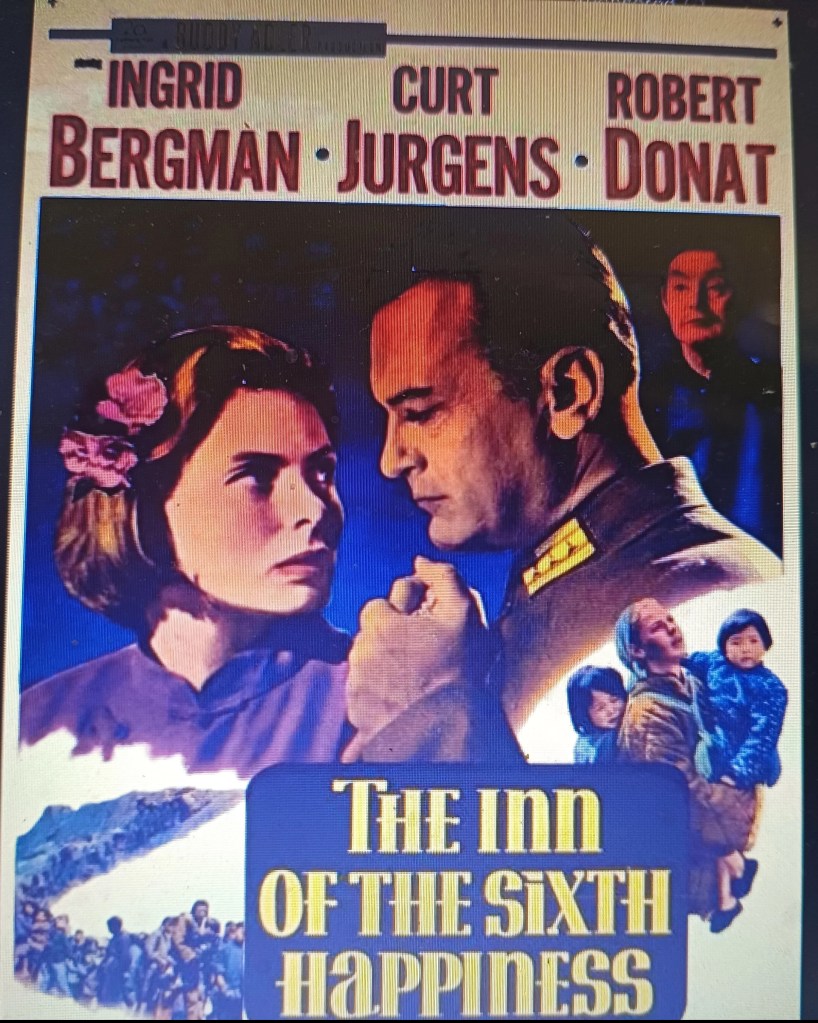
The way Godghate chose the nom-de-plume of “Kavi Grace” is most interesting. he was impressed with the acting prowess of Ingrid Bergman in the movie The Inn of the Sixth Happiness. Ingrid played a tenacious British woman who becomes a missionary & runs an inn for travelling merchants.. To describe Ingrid, a line from the movie: “She is in grace” inspired him. He took his name Kavi Grace from there & dedicated his first book of poems Sandhyaakalchya Kavita to Ingrid Bergman.

पक्षांची घरटी होती, ते झाड तोडले कोणी
एकेक ओंजळी मागे, असतेच झर्‍याचे पाणी

“There were birds’ nests, yet someone cut down that tree
Behind each handful of water, the spring peeks”
I have seen & experienced the sheer unfairness of life. What should remain untouched & protected is often the first one to fall under the axe. A confidante of many years suddenly decides to move on & cuts you off from his life. Having worked most diligently on a project one sees results go awry & crumble before your eyes. Life is quite unpredictable & the race is often not to the swiftest. We all know many people more diligent & sincere than us, but have not got their due. Partiality and Inequity goes on.

And yet there is that fundamental faith. The continuity of the river. Pure is always pure. In each one of us & in our actions, there is the microcosm of the Universe. While the philosophical position, that the flowing river is never the same all the time is true, it is equally true that there are certain commonalities, behaviors, thoughts that bind it all together. That is how the spring peeks behind each handful of water. It is changed & yet it is the same. It is different & yet it endures. The eternal hope that the birds will move to another tree & set up their nest there, is always heartening!!. One broken tree is not the end of the forest, if you look at it positively.

मी भिऊन अंधाराला, अडगळीत लपुनी जाई
ये हलके हलके मागे, त्या दरीतली वनराई

Scared of the dark I hide in the surrounding mess
Yet the greenery of the valley, followed me slowly

Whenever we are faced with problems, to withdraw & hide is our natural instinct. Throughout my life, I learnt to make this into a fine art. Never confront. Never go & resolve. Get into analysis paralysis mode. Prevaricate. That part of Arjuna’s dilemma is second nature to all of us. Why fight? all in front are my brethren & relatives. Why take the battle into their yard? Intellectualize. And do nothing!! One can always find reasons not to act. This way I continue to be in my cocoon, my comfort zone. Not accepting struggle is second nature to us now. We forget that ALL GROWTH requires us to get out of our comfort zone. Miracles happen only outside the comfort zone. I know this but I am scared. There is the fear of the unknown. मी भिऊन अंधाराला, अडगळीत लपुनी जाई!!

But life has its own rhythm. ये हलके हलके मागे, त्या दरीतली वनराई. Sadhguru puts it beautifully. In Mediocrity there is Comfort but no Growth. In Growth there is no Comfort, but there is Joy. You have to choose. Life is demanding. And it will prod you to take heart, all over again, however tired you are. Just like our King Robert the Bruce & the Spider taught us in our childhood…try, try again!!

King Bruce, after having been defeated at battle took refuge in a cave. During this battle, three of his four brothers were executed by the English, his sister was captured!! Still. taking inspiration from a mere spider, King Bruce came back and won the Battle of Bannockburn , even though his men were outnumbered ten to one. However much you hide, the greenery of the valley follows you slowly yet surely. So like Arjuna, Take your weapons and fight!!

Let me end with another tour-de-force from Kavi Grace:

मी महाकवी दुःखाचा, प्राचीन नदी परी खोल / दगडाचे माझ्या हाती, वेगाने होतेफूल ( I am the epic poet of sorrow, As deep as the old river/ A Stone in my hand, rapidly becomes a flower)

So Keep the Faith, and Fight on: vikas

PS : enjoy Hridaynath Mangeshkar’s rendition of this poem at https://youtu.be/XPvYswSrGmY?si=nkGMgDp7EICJpUnK

Good & Evil

Life is a festival only to the wise” said Emerson. So how would he have characterized the recently concluded Dashera? A festival that celebrates the victory of Good over Evil. Supposed to commemorate Lord Shri Ram’s win over Ravana. Ram was known as purushottam (the best amongst men). But Ravana also has his followers. In fact in some geographies Ravana is worshipped as the Hero & Ram as the aggressor. And yet every year we have a Ravana Dahan…burning of the effigy of Ravana. 24th Oct 2023 history was made at Delhi Ram Leela Grounds when first time in history a woman…Kangana Ranaut, a Bollywood actress, was given the privilege of shooting the arrow into the Ravana Effigy. But was Ravana really evil? Was Ram the epitome of correctness? Questions, Questions, Questions, all sans definitive answers!

I have always wondered what thoughts must have crossed Shri Ram’s mind when his Father announced a 14 years exile for him, just when he was about to ascend the throne. Obviously Ram had a control on his thoughts & emotions, so much so that he resisted all efforts by friends & brethren to dissuade him from going into the forest. There is no rancor towards the father, who sentenced him to exile, nor to the step-mother, who machinated this turn of events for own gain. With complete equanimity, Ram made preparations to leave the palace & stay in the forest. He goes to say good-bye to his wife and Sita retorts (as per Ga Di Madgulkar) निरोप कसला माझा घेता जेथे राघव तेथे सीता ( How can you say Goodbye to me, Wherever Ram is, Sita will be there). Lakshman the devoted younger brother, without questions decides to follow Ram & Sita into the forest to protect them.

But still, to me, the real Hero of this whole episode is Lakshman’s wife, Urmila. Though unsung and unknown, hers was the biggest sacrifice. Ram followed his father’s wish, Sita followed Ram and had his companionship; Lakshman followed Ram as he thought it is his duty. But what about Urmila? What had she done to deserve the separation from Lakshman? What would have gone through her mind when she saw Lakshman following Ram into the forest? How did she reconcile with her lonely fate and still retain devotion to Ram, Sita & her own husband Lakshman.

Buddha said.” All that we are is a result of what we have thought” He might as well have added, ” And all we shall become is a result of what we think now”. I am reminded of James Allen’s As a Man Thinketh: a self help book, published in 1903. It was described by Allen as “… dealing with the power of thought, and particularly with the use and application of thought to happy and beautiful issues.” A simple book, that all can easily grasp and follow its teaching, and put into practice the methods which it advises. It shows how, in his own thought-world, each man holds the key to every condition, good or bad, that enters into his life, and that, by working patiently and intelligently upon his thoughts, he may remake his life, and transform his circumstances. While all this sounds logical & correct, how do we understand Urmila’s dilemma of living alone for 14 years? Or that of Lakshman? or Sita for that matter? Or of Ram? to say nothing of Dashrath who agreed to Kaikeyi’s demand. And what about Manthara, who put the evil thought into Kaikeyi’s mind to ask Dashrath to banish Ram to exile.

I am sure you have walked along the beach, where there are boisterous waves, especially in the East, in the Bay of Bengal. The waves are so large that they play with large logs. Wave after wave carry the log onto the shore. And then roll it back into the sea. The log is unresisting, & following the call of the waves. Sometimes, a huge wave sweeps the log onto the sand. The log may well feel,” I have come here all by myself. And I am going to lie here” But in a few minutes, a rush of water lifts it free again & carries it back into the sea. Is this not very similar to what our life is? Our life, Ram’s life, Sita’s life or even Urmila’s life. We all seem to be at the mercy of forces larger than us. Even lives of great ones seem to have little say in the way life deals with them. They are no different than the log being tossed by the sea. And the log can do nothing but cooperate with the inevitable. It is futile to try to control your future.

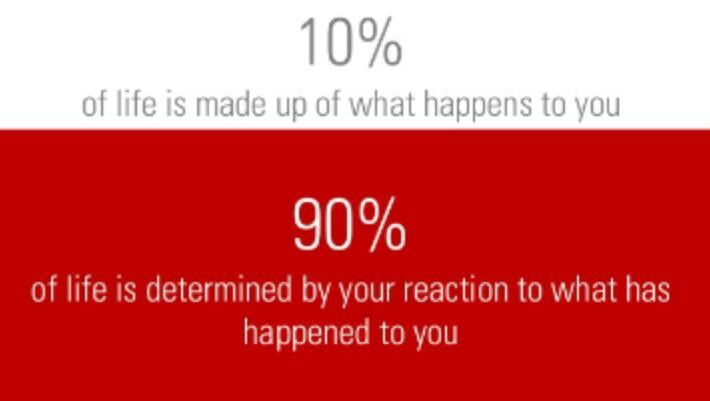
While it is futile to try to control your future, only thing which is in your control is to decide how to react to it. The dealing of the cards is beyond you. but you can still play the hand you are dealt with in the best possible manner. Ram accepted what was dealt to him & actually defended Dashrath & Kaikeyi’s decision. He accepted Sita accompanying him into the forest. He accepted the sacrifice of Lakshman. Rather than mope over what was lost, he coped with the change & found joy in his new situation. He sought to do whatever good he could do & contributed positivity and joy to all lives he touched within the forest.

Buddha left his palace in the search for Nirvana. He left his wife Yashodhara sleeping in their conjugal bed, and crept away in the middle of the night, in his quest. When he got enlightenment, Buddha spent his time teaching the Middle Path. There is an interesting story that he came wandering & teaching back to Kapilavastu & came face to face with Yashodhara. It is said his wife asked him did he have to abandon the wife & child and wander to be enlightened. And Buddha replied to Yashodhara ” No I could have got the same enlightenment staying & meditating in the Palace. But I know this now : after I have left wife & child, the royal Palace & wandered the world.” To me what this shows is that we all, including the Buddha or Ram, are fulfilling one’s own destiny & need to accept that we are logs being buffeted, in the sea of life. It is not for nothing that one of the names of Buddha is Tatha-agata ie “the one who has thus come”.

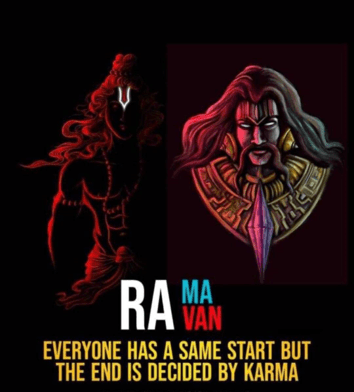
Interesting message I got was RAma & RAvan both have the same start but the end is decided by Karma. Ravan was advised to cease & desist by Bibhishan his brother as well as his wife Mandodari. But he was driven by waves of life. As also Ram or Sita for that matter All the Characters of every great Epic, whether it is Ramayana or Mahabharata or the Persian Kush Nama or the Greek Iliad or Odyssey are all replete with stories of fate & chance buffeting our iconic heroes & leaders in inexplicable ways. Finally, it is all about choices we make & the control we can exercise on our reactions.

Let me end again referring to GaDiMa’s Geet Ramayan

 दैवजात दुःखें भरतां दोष ना कुणाचा पराधीन आहे जगतीं पुत्र मानवाचा (Dukkha/Sorrow is fated., no one is to blame…The Son of Man is totally dependent on external forces)

Remember the Scout Motto: “Be Prepared”: vikibaba logger

Remembering Mandela: epitome of Forgiveness

Nelson Mandela was Positivity & Forgiveness personified. Mandela trained as a lawyer & while working in Johannesburg after qualifying, he became involved in African nationalist politics, joining the ANC in 1943 and co-founding its Youth League in 1944. When apartheid was established in 1948 by the white-only government, the ANC committed themselves to overthrowing it. Mandela’s course was set.

During the 1950s, Mandela was arrested many times for seditious activities & was even unsuccessfully prosecuted for treason in 1956. He was initially committed to non violent protest, but he was influenced by Marxism &, in secret, joined the banned South African Communist Party. In 1961 he led a sabotage campaign against the government. “When a man is denied the right to live the life he believes in, he has no choice but become an outlaw,” Mandela said. In 1962 he was arrested & sentenced to life imprisonment for conspiring to overthrow the state.

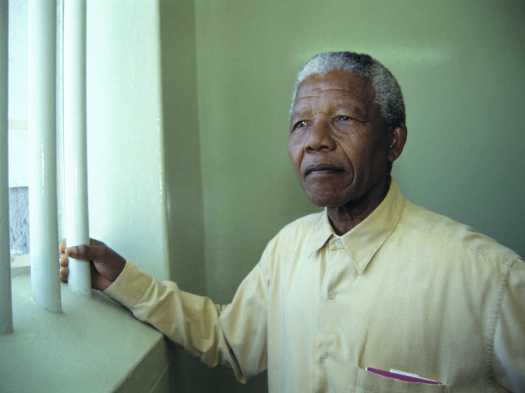
Mandela and other inmates faced harsh conditions during his many years at Robben Island prison. Mandela is shown here during a return visit to his old Robben Island cell in 1994.

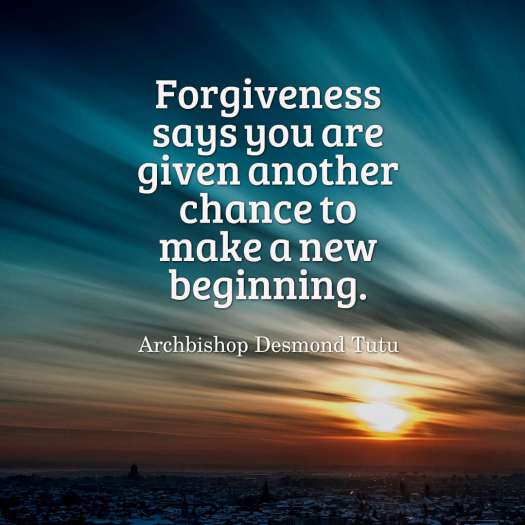
There is no love without forgiveness and there is no forgiveness without love. Nelson Mandela raised his voice against colonialism & was jailed for 27 years for his leadership of the Anti Apartheid movement. After his release he led the African National Congress & became the first Black President of South Africa. The close caucus of Black leaders surrounding Mandela reminded the ANC leadership of all the atrocities the Blacks had suffered through decades of racism & apartheid policies. They swore revenge and giving back to the Whites in the same measure what they had suffered for generations. Nelson Mandela stood up against them and propagated the Rainbow Culture & Rainbow nation theory : promising equality to all South Africans regardless of color, caste or creed. This is classic tale of forgiving and inclusion.

As an Anti Apartheid activist, with leanings to Communism, Mandela was tried by the White government. In the 1964 trial that convicted Mandela & his co-accused, & sent them to prison for life. He made a statement to the packed courthouse, which he repeated on his release in 1990, after 27 years in detention. “ I have fought against white domination, and I have fought against black domination. I have cherished the ideal of a democratic & free society in which all persons live together in harmony & with equal opportunities,” he said. “It is an ideal for which I hope to live for & to see realized. But, my Lord, if needs be, it is an ideal for which I am prepared to die.” What a pronouncement! What a stand!!! No rancor against those who incarcerated him for 27 years. Without blemish or anger, total forgiveness!!

The truth of the ancient Bantu adage umuntu ngumuntu ngabantu (we are people through other people) often came to his mind. And he saw, perhaps clearer than most of his contemporaries, the inevitability of “mutual interdependence” in the human condition, that “the common ground is greater & more enduring than the differences that divide.” He did not argue for a turning back to a glorious African society of bygone times but called for a completely new kind of state, a multiethnic democracy without match, constituted by a manifold of cultures, all having equal rights.

The ANC leadership, reorganized when Mandela was released in 1990 & could officially take on command, consisted of a cross section of races, including seven Indians, seven “Coloureds,” and seven whites. Likewise, & in harmony with this, a broad cultural & political basis marked the government of 1994. Ministers of state were blacks, whites, Indians, Coloureds, Muslims, Christians, communists, liberals, conservatives. Three Indian Muslims, & two Hindus were in Mandela’s government. Never had such a cabinet been seen in Africa or elsewhere. The Sotho maxim “many rills make a big river” often was in Mandela’s mind.

We see how one man’s remarkable life reached its fulfillment & blossomed into a national vision. Inspired by myriad influences, taking the best from both his native heritage, from the example of foreign freedom movements, & even from the history & literature of his oppressors, Nelson Mandela forged a vision of humanity that encompasses all peoples & that sets the hallmark for the rest of the world. Speaking on his release Mandela said, “As I walked out the door toward the gate that would lead to my freedom, I knew if I didn’t leave my hatred and bitterness behind, I’d still be in prison.”

When the Norwegian Nobel Committee decided to award the Nobel Peace Prize for 1993 to Nelson R. Mandela and Frederik Willem de Klerk, it was pointed out that their achievement was made by “looking ahead to South African reconciliation instead of looking back at the deep wounds of the past.” The committee also observed that South Africa has been the very symbol of racially conditioned suppression, & hence the peaceful termination of the apartheid regime “points the way to the peaceful resolution of similar deep-rooted conflicts elsewhere in the world.”. In his Nobel Lecture, Mandela referred to the organic world-view expressed already in the manifesto of 1944, calling himself a mere representative of the millions of people across the globe who “recognized that an injury to one is an injury to all;” which is the essence of ubuntu philosophy, universally applied.

Mandela’s intellectual mentors were diverse and wide ranging. From Mahatma Gandhi & Nehru to Bertrand Russell, he owed an intellectual debt to many. Shakespeare was closely followed & taught at the Robben Island “University.” Free to study classical drama, the prisoners at Robben Island staged a more than two-thousand-year-old Greek tragedy, Antigone by Sophocles, in which earthly power is challenged with reference to a higher law. In that production, which was presented under lock and key, Mandela played the part of Creon, the tyrant. From the British philosopher Bertrand Russell, who had been jailed for his protests against nuclear weapons, Mandela had drawn the arguments of defiance, when conscience & civil laws do not agree. From the Russian novelist and idealist Lev Tolstoy, Mandela got similar support. At times, the prisoners also identified with the endless waiting of the protagonists in Samuel Beckett‘s play Waiting for Godot.

Another source of encouragement was the words of a Victorian English poet, William Ernest Henley (1849-1903).

Decade after decade, the unforgettable lines of the poem Invictus, “unconquerable,” were on Mandela’s lips:

Out of the night that covers me,
Black as the Pit from pole to pole,
I thank whatever gods may be
For my unconquerable soul.

In the fell clutch of circumstance
I have not winced nor cried aloud.
Under the bludgeonings of chance
My head is bloody, but unbowed.

Beyond this place of wrath and tears
Looms but the Horror of the shade,
And yet the menace of the years
Finds, and shall find, me unafraid.

It matters not how strait the gate,
How charged with punishments the scroll,
I am the master of my fate:
I am the captain of my soul.

At Robben Island, Mandela recited this poem and taught other prisoners these defiant lines; reading such words “puts life in you”, Mandela said.

It is perhaps inevitable that the myth of Mandela obscured the man, & there’s not complete consensus on his achievements, but he remains one of the 21st centuries most enigmatic public figures. Let’s let him have the last word: “What counts is not the mere fact that we have lived. It is what difference we have made to the lives of others that will determine the significance of the life we lead.”.

In today’s times, we all can well learn from remembering Mandela and Practicing his forgiveness and positivity: vikas

Food, Heavenly Food!


I thoroughly resonate with Oscar Wilde’s statement After a good dinner one can forgive anybody, even one’s own relatives!” Possibly because it has been my relatives who have made me into a foodie! Beginning from my mother, who would insist on making hot rotis on coming back from school; my wife who learnt her cooking out of notebooks, notes from her grandma & my mother & is now a super chef; my eldest sister who will send Konkani delicacies all the way from Pune as she cannot eat them without feeding me; my other sisters who will always set-aside portion of any unique dish they make & send my share with love: veggies & daals, even breakfast items & fresh pickles; my sis-in-law sometimes experimentative & YouTube following, but mostly solid in her traditional cooking; neighbors & friends’ wives who will take the effort to send “gammat” (new dishes they have cooked): with so much coming your way, how can you not become a foodie?


Of all the gastronomic adventures, one cannot forget some friends telling they make great chicken or even greater mutton & insisting on making it in Vinita’s kitchen, with all the other invitees playing the helpers’ roles. While the dish cooked, with many admonitions that all world’s best cooks are male, my main memory of these adventures are bribing the maid to clean up the mess after all cooking is done, & before Vinita returns home!! That tension has erased the memory of how the mutton tasted….I was just happy that except for misplacement of the “masala dabba” or the dalchini bottle neither the kitchen nor the house caught fire & I escaped from Vinita with just some cold stares.

So of course food is important in my life. As, am sure, it is for most of my readers. The Last Supper continues to be an important interlude in His story. For most of us, the Honeymoon with Food is not over. Food is a primal and original love for all mankind. I remember a colleague in J&J. As soon as we started back, he would call his wife, like most of us do. While we will be happy to just report having started back, my Gujju colleagues’ next question, every day would be, Aaje jamva ma su cche? And then there would begin a long discussion on the menu & changes to what his wife had decided!! Every day that I travelled with him!!! Must say Gujju wives are super tolerant, but it underlies the importance of food, regardless of age.

Have you ever walked behind a group of Gujju women on their morning walk? Since they are ALWAYS LOUD you have no problem over hearing their conversation: invariably it is about what they ate last night, what is planned for BF? And what in Lunch for hubby & for the in-laws? Or which new restaurant is to be tried out? I have NEVER heard any other conversation. Their husbands have a slight variation…walking time is discussion on the stock market, how much they made or lost yesterday & mistakes Modi is making in foreign policy. As the walk ends, someone raises the existential moot question: “Where are we going for Jalebi/Fafda or South Indian?… obviously to compensate for the calories they burnt in that days’ walk. Rashmi, when she was in KG, had to recite a prayer when school began. BF used to served immediately after prayers. For many years she thought,” Aaje su nashta?” was a part of the school prayer!!! It is always the food that makes the world go around.


I have been fortunate to travel the world & be hosted at the most exotic locations & sampled amazing fare. Korean Barbeque with Sochu in Seoul; 12 course Chinese Banquet & “gam bay” ( literally dry-glass or bottoms-up) with every course in Beijing; eating god-knows -what- meat with “Chuus” (literally good health) In Australia; tasteless German food accompanied by world’s best Beers & cheery shouts of “Prost”; Teppanyaki & Sushi accompanied by hot & cold Sake in Tokyo; …. where do I stop? Each experience was different & unique. That taught me the truth of the famous exposition….there are thousand ways to reach the Allah… ultimate pleasure is in gastronomy. The 33 million Hindu Gods must just have been 33 million satisfied individuals with a full stomach, who rose to god-like status in their satiety. It was often believed the way to a man’s heart is through his stomach. After many a great meal, feeling a sense of satisfaction, I have wondered what more can that Divine Being offer in Heaven which will be better than a great meal. It is not for nothing that even Caesar told Mark Antonius,” Let me have around me, men that are fat” The world would indeed be better off with well-fed men.

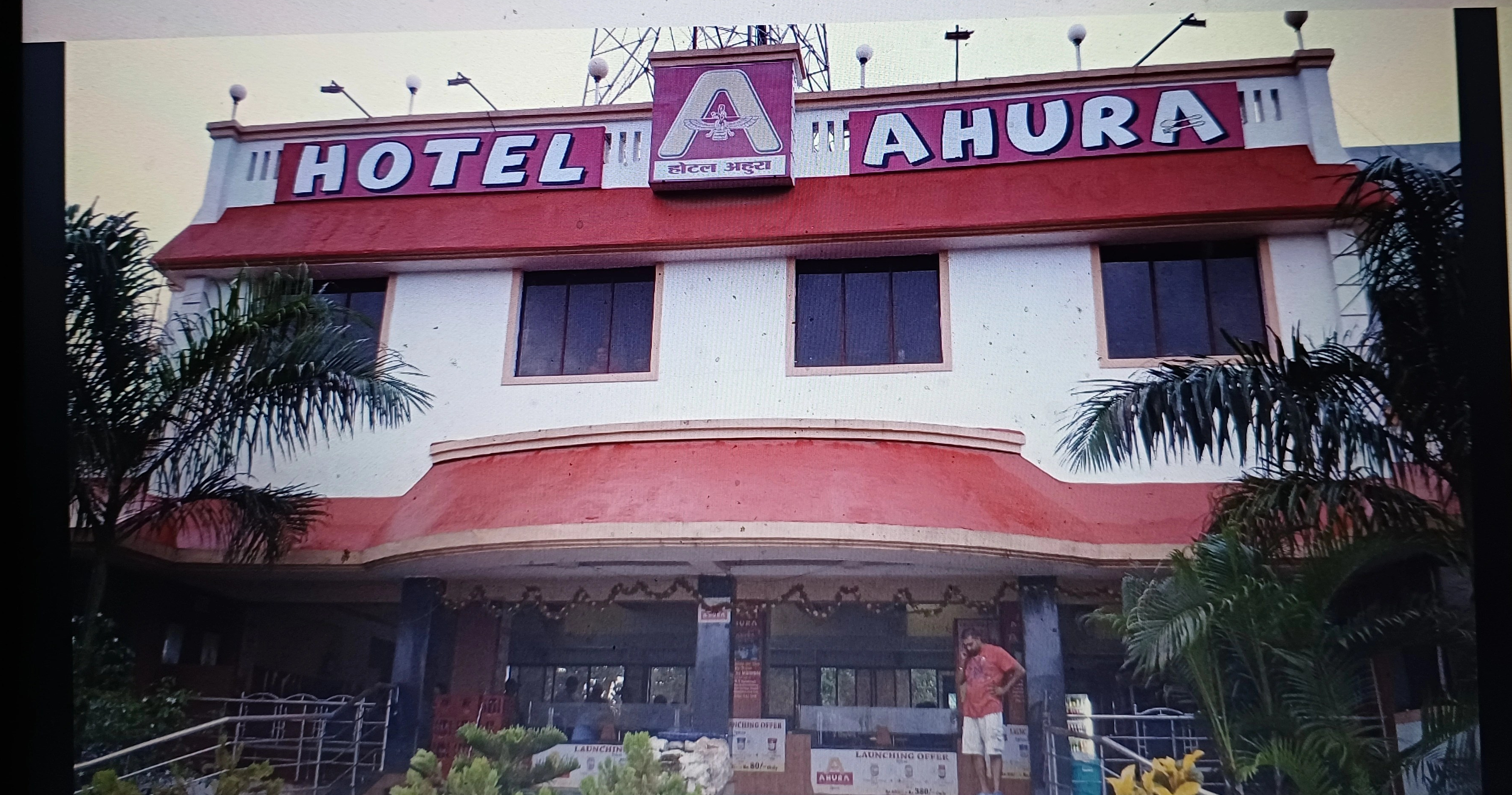
Hence I was surprised when many friends frowned & ridiculed me when I told then last Sunday I took a group for breakfast at Ahura, Dahanu. Was it because Ahura is 110 kms from my house in Thane?

The distance apart, all the carloads of families thanked me profusely for the best brunch they had had. The Egg preparations you get at this Parsi eatery are to die or kill for….depending whether you got enough or you were left wanting. Typically you order for the table, no individual plates. So last Sunday our order was 2 Poro ( Parsi omlette) 2 Akuri (wet bhurji Parsi style) 2 Salli pur Eedu ( Eggs over potato crisps) 2 Kheema Ghotala (Mutton Kheema fried in Eggs) & 2 normal omlettes. All with loads & loads of Bun Maska…Buns liberally stuffed with Amul butter as only Parsis can make and buns {We bake our own Bread) softer than a new-born’s bum. All this preceded & succeeded by Phudina ni Masala Chai…full milk, boiled over & over with Mint & other spices. Amir Khusro sahib said it right,: “Agar firdaus bar roo-e zameen ast, Hameen ast-o hameen ast-o hameen ast.” If there is a heaven on earth, it’s here, it’s here. The Persians indeed knew it well. In Persian, Haminastu means “I am happy.” It is a declaration of contentment & joy. The phrase can be used as both a statement of appreciation for what one has in life, or as an expression of thanks. Haminastu is a reminder to be grateful for the simple things, and to find happiness in the present moment. Haminastu Ahura!!!

I end with a story my father often recounted. A Konkani man was going to the market on a Sunday morn carrying in his pocket the Goa Bumper Lottery ticket to check the result. He crossed the local fish market enroute, and a sparkling Rawas (salmon) caught his eye. He wanted to buy it but he was not carrying any money.

He saw a friend in the market, approached him to lend him the 2 Rs he required to buy the fish. (remember this is story of my father’s childhood) The friend said I can give you the money but I am a sahukar (money lender). So I cannot give cash unless you give me some collateral Our man had only the lottery ticket. He gave that, took 2 Rs, bought the fish and went home. Next day he came to know the ticket he had given he sahukar got a prize of Rs 1000, When he met him again, he told him, “ Friend you might have cheated me of the Bumper prize, but let me tell you, the Ravas I ate yesterday was so fresh & tasty that it was worth even more than 1000 Rs .” Such is the love of good food.

I stand with Shaw who noted,” there is no love sincerer than the love of food” : vikas, the food lover.

Who, Me? Indispensable??

As we work our way through life, it is very easy to fall into the trap of thinking one is indispensable. But are we? I know a friend who will go, “Vikas again you are off on your self deprecating mode. Are we all not unique? Don’t we add value in our own special way? ” For sure, we all make an impact on life, on our near and dear ones; make a difference in the organizations we are associated with, leave a legacy. So certainly we will be missed : somehow, by someone. But we need a draw a strong line, before we fool ourselves that we are indispensable.

Contrast this with today’s mindset where people feel proud when meetings are cancelled since they are not available. They take it as a signal of their importance, their need, their seminal contribution. Should not managers’ role be to make himself redundant, ensure team members are prepared with all facts & data so that no one person becomes super critical or their absence a deal breaker?? Today, mostly we hear, “this happened totally because of me” or “this could not be done because I was absent”. To me this is a sad reflection of today’s proclivity of blowing one’s own trumpet, continuously.

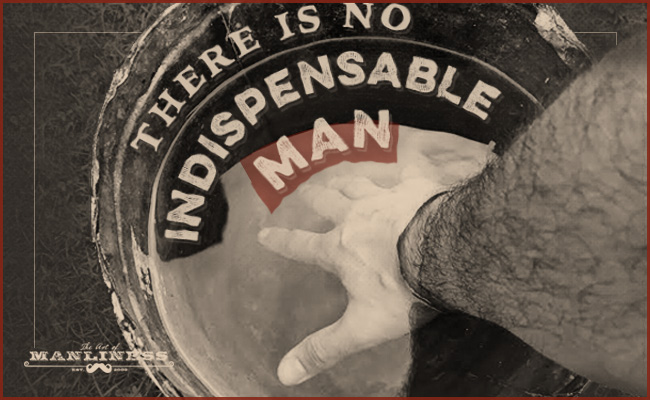
Again contrast this with Dwight Eisenhower — five-star General, Supreme Allied Commander, U.S. President. When Ike returned to Normandy for the 20th anniversary of D-Day & was asked to give a speech at a dinner commemorating the invasion, rather than use the occasion to wax poetic about his role in executing one of the most monumental military operations in history, this man of singular eminence instead used the opportunity to read the poem “The Indispensable Man.” quoted below.

Sometime when you’re feeling important; Sometime when your ego’s in bloom;
Sometime when you take it for granted, You’re the best qualified in the room:
Sometime when you feel that your going, Would leave an unfillable hole,
Just follow these simple instructions, And see how they humble your soul.

Take a bucket and fill it with water, Put your hand in it up to the wrist,
Pull it out and the hole that’s remaining, Is a measure of how much you’ll be missed.
You can splash all you wish when you enter, You may stir up the water galore,
But stop, and you’ll find that in no time, It looks quite the same as before….

Many times meetings are cancelled or postponed because someone is not available. “He has worked on the project; his input is critical” is the refrain! I am reminded of an RSS anecdote. As per Annual calendar, an All India Meeting was planned & all invitees intimated in advance for smooth logistics. Dattopant Thengdi, thespian Hindu idealogue, based in Bengal then, confirmed his presence. But as the meeting date came close, he informed that there was a program kept by the local Swayamsewaks & this would not happen if he was away. So he regretted the preplanned meeting. Golwalkar Guruji Sar SanghaChalak, chairing the meeting made it a point to mention,” आपण ज्या कार्यक्षेत्रात काम करतो तिथे आपल्याशिवाय कार्यक्रम, बैठक, शाखा लागणार नसेल तर तर आपल्या कार्य करण्याच्या पद्धतीत काहीतरी कमी आहे. त्रुटी आहे हे लक्षात घेतले पाहिजे” (wherever you are working, if a meeting, program cannot be completed without your personal presence, then you must understand that there is a major fault in your way of working)

Today’s populace can learn a lot about humility in public & professional life. Rather than feeling proud “I did this” or “I did that” one must find the humility in one’s heart to say मी केवळ निमित्त मात्र ( I am only an excuse, not the cause). On a practical level, if you quit your job, someone else — no matter how well you did your work — is going to be able to take your place, and the company will keep on running. On a more macro level, when you die, the world will keep on spinning; society will keep on running; people will continue to wake up, go to school, go to their jobs, eat dinner, make love, go to sleep. Nearly everything will continue functioning just as before. eg In Siemens we used to change the German MD, the German Finance Director & the German Factory Director every 3 years, one rotational change per year. So when any employee resigned, I used to tell him: this company changes its Director every year. You are not more important than the Director! We can relieve you immediately!!

As an old saying goes, “Graveyards are full of people the world could not do without.” This might all seem depressing, but actually it is rather liberating. Too many people say yes to things they don’t want to do, & stay in unhappy relationships or jobs or volunteer positions out of guilt, out of fear, out of the ultimately egoistical worry that that others will simply not be able to function without them. The world is usually not quite so indifferent to us as that, but the truth remains that it can still get along just fine without us. Take your hand out of the bucket & the water flows back in. It is a humbling check to the ego, to be sure, but a healthy, freeing one at that.

Let me end with a story from Mahabharata. After 18 days of war, the conch blew to signal an end to the war. Arjun was gratified & prideful. He believed it was only his fighting prowess that won the day for Pandavas. He stood proud and tall in his chariot surveying the battlefield. Custom had it that the Charioteer must first get down & then invite Arjun to descend. Krishna, Arjun’s Charioteer, asked him to get down first. After freeing the horses from the Chariot, Krishna himself stepped off on the ground. Within seconds Arjun’s chariot burst in flames & burnt to ashes.

Arjun asked Krishna what happened? Chracteristically, Krishna smiled & moved away. Disturbed, Arjun went to Bhishma pitamaha to seek an explanation. Bhishma explained to Arjun that during the war many astra, celestial weapons, were targeted at Arjun’s chariot. But due to Krishna’s presence on the chariot they could not harm the chariot or Arjun. As soon as Krishna stepped off the chariot, they all came back to power & burnt the chariot to ashes. That would have been Arjun’s own fate if Krishna was not with him. Arjun realized it was not his skill, but the presence of Krishna & his invisible power which had won the war for Pandavas. Just like Arjun, let us learn to thank the Krishnas in our lives, our teams, our mentors, our friends, our families for our successes.

To end, as i look back on my 67 years, Sure, I did much, but in the end, I was not so important. I quote Rahat Indori to express my feelings: vikas the explorer

लगेगी आग तो, आएँगे घर कई ज़द में
यहाँ पे सिर्फ़ हमारा मकान थोड़ी है
जो आज साहिबे मसनद हैं, कल नहीं होंगे
किराएदार हैं, ज़ाती मकान थोड़ी है
( if there is a fire, many houses will fall victim; there is not only my house here; Today one who is ascending the throne, will not be there tomorrow; He is also a tenant: not the true owner of the home)

Post Script: The idea/theme for this blog was suggested by my friend & reader Siddhesh, based on a WA post of one Suhas Vaidya. Grateful acknowledgements to both for the inspiration. Pl forgive me, Siddhesh, if my blog does not live up to your expectations.

Mishtooks Galore

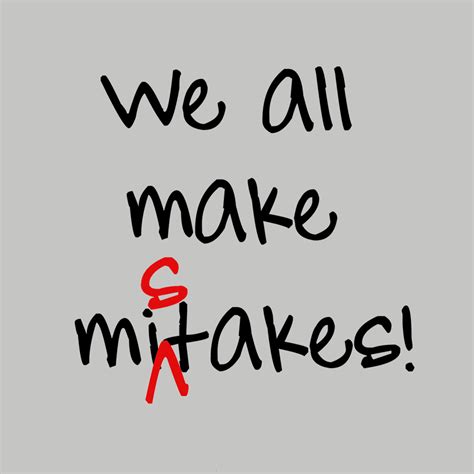
Merriam-Webster records 116 synonyms and antonyms for mistake, not including my personal twist on the word above. Mishtook, because it exemplifies and illustrates a mistake. What better way to explain it than by a demo, which catches attention? We all are surrounded by mistakes, errors, something gone wrong, misjudgments, blunders, misunderstandings, miscalculations, & we have to make our way through these troubled waters, the Scyalla & Charybdis to pursue our life goals and emerge successful.

So indeed we are all aware of mistakes, having made so many of them in our own lives. Some acknowledged as mistakes; many defended no end! Some learning points along the way; while many ignored & hence repeated!!! Yes we are indeed aware of mistakes as a topic & have often spent time mulling over them, Intuitively we know in mistakes there is a spectrum on severity & implications. Beginning from an error : I took a wrong turn while searching for an address. Mistake it is, as this error will take me further & further away from my destination. Error, lapse, slip, wrong but not earth shattering; easily correctible. Unless it is career wrong turn!!!

The second level would be misjudgment, miscalculation, a wrong statement/action a mistake whose consequences are not what we had bargained for & hence we resent/regret it. Not following genuine & well intentioned advice of friends, who know better, is a classic example. And finally, not following your girl-friend or wife’s advice takes it to the next level. Undoubtedly all my readers will agree that is a Blunder. 3rd level : blunder, goof-up, blooper, gaffe, snafu, foul-up would be words you can describe such a mistake of major implications on present and future. The Bay of Pigs Disaster which permanently scarred US & Russian relations is an example of Blunder.

Ok, so why are we interested in mistakes? Mistakes have the power to make you something better than you were before. When you accept your mistake & take action to overcome it, you are saying to the world you are better today, that you were yesterday. You know more now than earlier. And that is a great thing. Winston Churchill is credited with,” All men make mistakes, but only the wise ones learn from their mistakes” In fact it is said, there are no mistakes or failures, only lessons. Remember Edison who tried 1000 different elements while trying to invent the electric bulb. Some glowed but broke off, some were stable but did not give out any light. A journalist ridiculed Edison,” You have failed 1000 times” ,” No,” replied Edison” I know 1000 elements that do not work“. If you want to grow & move ahead in life, you must get over the fear of making mistakes. That is what lives of great people have taught us again & again. “Experience is simply the name we give our mistakes.” Oscar Wilde. More the experience less the mistakes. More the Mistakes More the experience. A real virtuous circle???

When you make a mistake, there are only three things you should ever do about it: admit it, learn from it, and don’t repeat it.” Paul Bear Bryant. Mistakes can be the biggest teachers one can have in the journey of life. Make mistakes, learn from them & move on. Make glorious mistakes. Amazing mistakes. Go where no one has gone before. Do not freeze. Do not worry. Explore. Try new things. Whatever you are scared of, try it. Remember you are exposing yourself & the wider you go, greater the opportunity to learn. It is not how & what mistakes we make but the way we resolve the mistakes that defines us & shapes our life. And the best part is that you can equally learn from other people’s mistakes, if you are sensitive and curious. Which is why James Joyce told us ,” Mistakes are the portals of discovery”. Make new mistakes every day!

Of course there are some historical mistakes which cannot be corrected. The decisions which JF Kennedy took in 1960s of supporting the exiled Cubans launch an “invasion” of Cuba scarred Russia/Cuba/USA relations for ever. Jawaharlal Nehru decision to cease fire in 1948 at the peak of the Kashmir issue & then seek UN involvement in Kashmir arguably has cost the Indian polity very heavily. Also referred by Gen Cariappa & press as The Himalayan Blunder, is something we live with even 75 years after the event. Certainly a mistake that cannot be course corrected. Our Missile Man Abdul Kalam has recounted how in 1979 he was Mission Director at Sriharikota, incharge of the Satellite launch program At T-4 before launch, the computer system put a hold, APJK consulted his scientists. They concluded the fuel leakage was not so severe that the launch velocity would not be reached. Kalam by-passed the computer & launched the system, only to see it go into the Bay of Bengal. Lessons learnt, the next launch in 1980 was successful. But 1979 was a mistake.

When such mistakes are done there is precious little one can do save & except capture learnings for future. But sometimes even that luxury is not afforded to you. In my life I always rue one such mistake. Being the agnostic & black sheep of the family, I wanted my marriage to have nothing to do with god. My father-in-law being a staunch Hindu and committed RSS person was not able to reconcile. He tried a lot to persuade me and Vinita for a Hindu Vedic ceremony. But we were immature; I was adamant. And we had a court registered marriage. I rue not listening to him. What would it have cost me except my ego? But i held firm & now will carry the guilt of hurting him to my grave, a mistake which cannot be corrected in any manner now.

To end this blog I want to relate another Einstein anecdote. which speaks to mistakes & how we should learn to handle them. Einstein was a prolific innovator scientist. All his life’s earnings were invested in 2 multi-storied laboratories. The buildings were wooden & contained all of Einstein’s scientific work n innovations. One summer day, an electric short circuit cased a fire in the labs. Within no time the flames were reaching the sky. Einstein & his son we standing in the open fields watching all their life’s earning turn to ashes. The son felt Einstein’s pain So he put his arm around the old man’s frail shoulders. At that moment Einstein spoke,” I am happy. All my mistakes are burnt to the ground. Now tomorrow I can start all over again!” What an attitude!!!

Here is hoping we all can imbibe Einstein’s attitude in handling the mistakes of our lives…vikas

#13

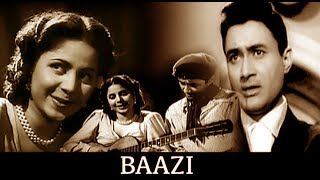
All movie lovers will remember the ebullient & effervescent Geeta Bali challenging a down & out Dev Anand with the lilting taunt,” तदबीर से बिगड़ी हुई तक़दीर बना ले; अपने पे भरोसा है तो, एक दाव लगा ले” The challenge expressed by Geeta Bali’s eyes is beautifully captured by Geeta Dutt’s voice & SD’s tune in Baazi(1951). While to the inveterate gambler Dev plays in the movie numbers are sacrosanct, actually if you think about it numbers play an important role in all our lives. Is it because Life is a BIG GAMBLE and we are all awaiting outcomes with bated breaths though out our lives? With such uncertainty surrounding us, numbers give a sense of definitiveness. Maybe that is why we hold on to numbers through out our fearful lives.

When I was in college in Mumbai in the early 1970s, Matka was King & Ratan Khatri who ran Matka gambling dens in Mumbai was the virtual Badshah of the streets. Every nook & corner had small cubby holes where you could go & register your bet. You were given a small, perforated slip detailing your bet. The model was simple. A 3-digit number would be declared in the evening. The total of the 3 digits was what you tried to predict. If you got it right, the payoff was 1:9, For every 1 Rupee you bet you stood to gain 9 Rs . If you predicted the 3 digits also, the payoff was 1: 72. eg if the 3 digits declared were 279. This adds up to 18, 1 plus 8 again is 9. If you had bet on 9, you were paid out 1: 9. If you placed a bet on 279 you got 72 Rs for every 1 Re you bet. These 3 digits were declared at 7 pm & then again at 11 pm. So you could play for the 7 pm declaration (called Open, don’t ask me why) and/or Close, which was declared at 11 pm. You could bet on a Number , a Pana (the 3-Digit combo) at Open or at Close or both. As the probability of getting the numbers right diminished, payouts became astronomical.

One thing Ratan Khatri managed was make every Mumbaikar familiar and cognizant of the English numbers. This was regardless of education and social class. All learnt to read and write English numbers. On the roads, at kerb sides, outside the betting dens the Pana (3 digits) and the Number was written in white chalk 2 times every day. If your bet was right the payout would happen in cash the next day. Every passing cab or rickshaw was scrutinised to see if it gave any lucky no you could use to bet that day. if 2 taxis had 5 and the ending no. you bet on 5 that day. Movies which showed vehicles’ number plates, advertisements, random slips of wrapping papers were all studiously checked for hints on what number to bet on today. Ratan Khatri laughed all the way to the bank, as the odds always favoured him. But Mumbai was hooked onto numbers.

This college memory is deep in my heart. But what can you say about numerologists and simpletons who will begin an endeavor on an auspicious date? Why is every donation 51 Rs or 101 Rs or 1001? Is a round no bad luck? The street matka mindset is repeated as you go up the social strata and the betting switches to Horse racing. Statistics & number tracking becomes more elaborate. Stakes multiply multifold. But how is the number game different when you talk of Cricket betting? Or the Satta Bazaar? or the number game on the floor of Stock Exchanges? Stakes are different, tools & techniques are different, but in all these games people play, Number is King. Science takes a back seat here along with rationality. And what rules is feelings, emotions, hunches & sentiments.

In a totally different context, Chinese consider number 4 as a symbol of death. While in the western world, hotels omit the 13th floor, in China it is 4th floor. Interestingly this mindset is also not uniform. I was doing some reading on whether & why number 13 is unlucky in some cultures & came across some interesting data. 13 is not actually Unlucky but rather considered auspicious in many cultures. One theory for 13 being unlucky is that this is due to the cultures employing lunar-solar calendars. There are approximately 12.41 lunations (the period of time averaging 29 days, 12 hours, 44 minutes, and 2.8 seconds elapsing between two successive new moons) per solar year, and hence 12 “true months” plus a smaller, & often portentous, thirteenth month.

In ancient cultures, the number 13 represented femininity, because it corresponded to the number of lunar (menstrual) cycles in a year (13 x 28 = 364 days). The theory is that, as the solar calendar triumphed over the lunar, the number thirteen became anathema. In France 13 was traditionally considered a lucky number prior to the First World War & was used in numerical form as a good luck symbol on postcards & charms. Neighboring Italy: 13 was the lucky number in football pools (Totocalcio). The Italian expression “fare tredici” (literally, “make thirteen”) means to hit the jackpot.

The United States of America was created from 13 British colonies. As such, the number 13 is recurring motif in American heraldry. e.g. there are 13 stars on the Great Seal of the United States & 13 stripes on the American flag. The chest shield in front of the spread eagle bears 13 stripes (seven white & six red). The eagle’s right talon holds the Olive Branch of Peace, bearing 13 olives & 13 olive leaves. The eagle’s left talon holds the Weapons of War, consisting of 13 arrows. The eagle’s mouth holds a scroll bearing the national motto “E Pluribus Unum” (which, by coincidence, consists of 13 letters).

In astronomy there are 13 star constellations in the zodiac (including Ophiuchus). In Judaism, 13 signifies the age at which a boy matures and becomes a Bar Mitzvah, i.e., a full member of the Jewish faith (counts as a member of Minyan). The number of principles of Jewish faith according to Maimonides. According to Rabbinic commentary on the Torah, God has 13 Attributes of Mercy.

So, if you ask is 13 lucky or unlucky, I will say to you that the Jury is still out. I proposed to my college sweetheart on the 13th day of November 1971, 5 decades ago. She said Yes. Whether I am lucky or unlucky I leave it to the readers to decide. I see my own answer change on and off, & sometimes multiple times in a day!!!

So remember, it is not the number, it is all in your mind : vikas
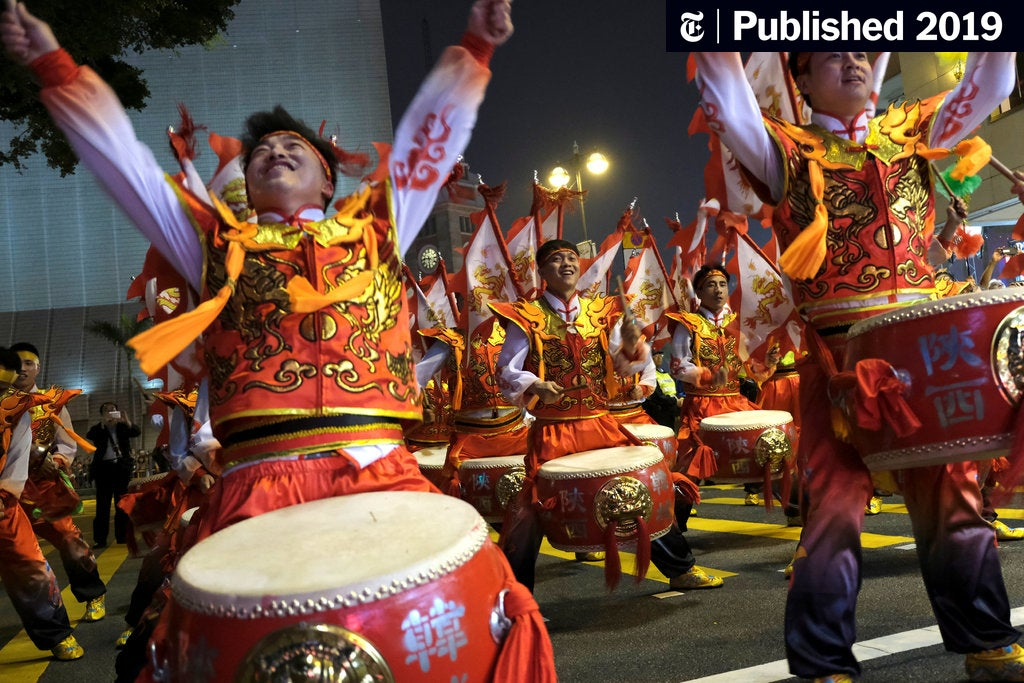
PS: this blog owes a lot to the inspiration provided by Vinit Deo & the article at https://www.nytimes.com/2019/02/05/science/chinese-new-year-lunar-calendar

Zugzwang (n.)

phrase from chess, but applicable to life

a situation in which the obligation to make a move in one’s turn is a serious, often decisive, disadvantage

Think of an unmarried son or daughter coming home during the vacation. The child (?) is already past 26/27: the age considered appropriate for getting wed, by Indian standards. Finding a suitable time, the parents sit their progeny down & pop the million dollar question, the elephant in the room, ” When are you planning to get married and settle down? You are not getting any younger?”

The youngster’s situation can best explain the concept of zugzwang. Think of the alternatives:

  1. S/he does not want to get married at all. Or at least not at this time and considers there is plenty of time ahead.
  2. H/she already has some particular person in mind…has made promises or commitments.. but does not want to tell the parents now, wanting to stay away from ,” Why not tell us earlier? We could have met the person earlier? Do the other set of parents know? Could you not have waited some more? .” & other EBM ploys” Is she from our caste? Family background? Will the match appear right in the eyes of the relatives & friends from both sides? What does s/he do? etc. etc.

Consider the situation from the point of view of either party. And you can best understand zugzwang. Whatever words are spoken, or action is taken, is a decisive, serious disadvantage, which will cast it’s pall on whatever happens next. Life, & especially such situations, are truly zero-sum games per Decision Theory. Both parties cannot win. And in fact many times, both the parties feel they are losing, end up driving the discussion or decision to more & more unpalatable outcomes. The feeling of being caught between the devil & the deep sea makes everyone miserable. Tempers fly high, Emotions are at peak. And both feel that they are caught in a lose-lose game.

In Marathi there is a classic proverb धरल तर चावत , सोडल तर पळत. ( If you hold, it will bite, if you let it go, it will run away) Think of a snake ( a difficult situation) in your house( your life). Ok, so have caught the snake by the tail. How do you handle it now? Leaving it is fraught with risk., it will escape & fight/bite another day. But holding it by it’s tail is equally problematic; it can whip around & bite. Action must be taken. But every alternative is full of negative possibilities. A true zugzwang.

Life is complex & complicated only because rarely are you faced with a choice between good and bad. That one is easy. Quick wins guaranteed, But Life always presents us with zugzwang. Choices between 2 goods or 2 bad options. One side there may be marginally “more” good than the other option provides. But finally good is a judgement. It is a moving goal post. It changes depending on many indeterminates like your situation, what you can commit, time at your disposal, resources you have etc. etc. So how do we choose? {And we assume that we have the freedom to choose, which by itself is another deep hole.} Really, there are no clear answers which will stand the test of time and analysis, so often we just take a plunge based on limited data points & less-than-complete understanding. And then live the rest of our days agonizing whether our decision call was right. Did we choose the better right, euphemistically? No clear answers there!!

Then there is the choice between 2 bad things. Theoretically one less bad than the other. But how do we judge less and more? what scale do we use? There goes Alice down the Rabbit hole, yet again. Should Hitler have created multiple Concentration Camps or just one? Were the French Revolutionaries better with just the guillotine? Should they have worked on making the guillotine more efficient? Were Hitler’s mass graves with detainees themselves digging the graves, standing on the edge & getting shot better than the Gas Chambers? Which gas causes less pain and quicker death? Extreme examples but the principle is the same as is prevalent in today’s Avoidance Avoidance Conflict dilemmas. With a heart condition, stenting or open heart surgery? A routine test detects a lump. Should I do biopsy or live in uncertainty? Given the diagnosis of Breast cancer , Mastectomy or ChemoTherapy? Should I take radiation, knowing its side effects & harm it causes to surrounding good tissue? There are no blacks and whites left today…..there are multiple shades of grey making choices more and more difficult. What decision model will help me decide to switch off the ventilator for my parent, when the Dr in his Hippocratic stupor, claims there is life still, though in a vegetative state?

It is not only in Medical parlance we see such dilemmas. Think of a typical Union Management negotiation for a long term settlement. Both parties know that they need to resolve the issue & move forward. Though the end point must be mutually beneficial, Union must get a fair deal, wages and benefits, for the workmen, the Management must remain in the realm of capacity to pay, competitiveness and past history & future precedents it is creating. While these outer parameters are clear look at the extreme gamesmanship that often gets displayed in these situations. Most often neither party is ready to be open and transparent and that delays the solution. Both parties stick to their alternatives, without transparency and solution orientation, They both understand the obligation to make a move, but try to see that the attendant disadvantage to themselves is minimized. Sharply differing perspectives on advantage & disadvantage make union management negotiations a long drawn out affair. Same is true when you are negotiating to buy a house or salary & perks for a new job or even a re-sale of a car.

My father was not a good chess player. Additionally, he was a poor loser. So his strategy was simple. Play the game till such a time the outcome is still indeterminate, the game could go either way. Sometimes he would make the right moves at this stage and be in a winning position. Which was fine by him. But as soon as he realised he is cornered, there is no way he can wriggle out of the tight spot, & is staring at a Checkmate, he would put one finger under the chess board, and flip over the Board. Down would come tumbling, Knights, Horses, camels & all. Game over. Obviously he was not ready to be at a disadvantage.

On the other hand, in zugzwang there is an obligation to make a move, rooted in the knowledge that your move will end up with a significant disadvantage to you, how do you handle this? My father’s way will not make you friends. Rather a priori acceptance that Life will deal me many deals where I must play my best, humbly accept disadvantages which may lead to defeat, still not lose my gamemanship & accept the obligations to make my moves regardless of outcomes…that is the way to play this chess-game we call Life. Celebrate your losses. Celebrate the wins. Enjoy the game!

Remember what you lose on the swings, be ready to win on the roundabouts: vikas

Death, be not proud

Wikipedia defines Death as ” Death is the irreversible cessation of all biological functions that sustain an organism. Death is an inevitable process that eventually occurs in almost all organisms.” Remember Benjamin Franklin (1789), “In this world nothing can be said to be certain, except death and taxes.”. Despite being ubiquitous, Death is dreaded and rarely talked about, except in hushed tones & in dark corners. But I want to make it centerstage & say a few things about this universal phenomenon.
Ba Bha Borkar, a famous poet in Marathi, sings the story of life so very well:

नाही पुण्याची मोजणी
नाही पापाची टोचणी
जिणें गंगौघाचें पाणी


कशाचा न लागभाग
कशाचा न पाठलाग
आम्ही हो फुलांचे पराग

पूजेतल्या पानाफुला
मृत्यु सर्वांगसोहळा
धन्य निर्माल्याची कळI

(Transliteration: I do not count the merits, Nor do I count the sins, Life is a swirling cauldron; I have no attachments; Nor have any pursuits, Like the pollen of the flowers, …To the flowers offered to God, Death is mighty celebration, They feel blessed to be used & discarded)

Actually, if you think about it, it is strange to be afraid of Death. Really, Life hurts much more than Death!! Living is a daily struggle, mostly an uphill battle chasing dreams & other chimera. Sure, some successes but full of disappointments & pain, perpetually keeping us in a state of want, pushing us to achieve the next goal, something better, higher & faster. Ironically, even achievers are unhappy in their worlds. Satisfaction is a moving goal post. As against this continuous seeking, at the point of death, the pain is over!! Swarga, Nirvana, Salvation, the Promised land, Heaven, Jannat, all await us there. So why grieve? why fear death?

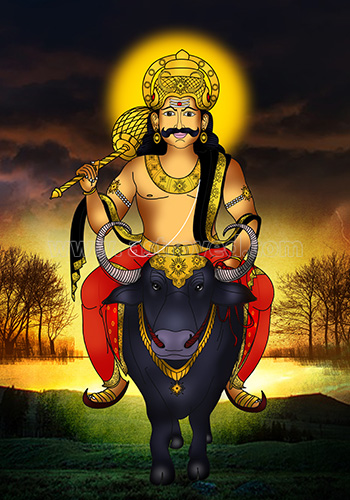
Partly I think this is caused by the imagery surrounding Death. The Grim Reaper. Yama, on a black bison. The Purgatory, the Boiling Cauldrons. Even though the Jesus story is of hope, as he came back to life, the sufferings on the Cross is what is majorly emphasized & not the Resurrection. Devoid of all the negative hype, what is wrong with death? Remember, it is inevitable…. Life is a game, and no one gets out of it alive. If you have lived a good life, then Death is an entry ticket into Eternity. And all religions promise that the afterlife will be much more rewarding & comforting, than the struggles of Life!! I think the fear of death follows from the fear of life & living, itself!!!

All these thoughts are prompted by the death of a friend’s mother, another friend’s sister & my own uncle, all in this month. Each life & each death is an unique story. But let us talk about my uncle. He was my father’s immediate next brother, & we all have very fond memories of his love and affection, in our childhood years. He introduced us to British Council libraries. He would assemble all kids at his house, get everyone to play cards, keep a running supply of snacks and nimbu-pani. The evening reward, for participating in the card-playing marathon, was an Ice-cream treat. This was before the Kwality & Joy family pack days. So the entire jing-bang was ferried in rickshaws to Kawre & Solanki Ice cream parlors. He first introduced us to an ice-cream lunch or dinner: idea was to have 5/6 or more, cups of different flavors, & skip the meal.

His giving was legendary. In my mother’s kitchen the Big dabbas of Steel & Copper were procured & supplied by my uncle. As were the crockery & cutlery sets. His loving nature apart, he was super intelligent. A ranker in his SSC exam at that time, his sense of humor was legion. Fie, if you were caught on the wrong end of his repartee…many family anecdotes were made from his caustic, but witty comments.

Somewhere down the line his loving nature gave way to bitterness. He behaved as though God has put him on earth to correct his fellow humans, to show them the right path. Full of vituperative anger & caustic sarcasm, he hurt many & left many wounded. Slowly, people started avoiding him. Even the family members bristled & kept their own counsel, on the other side of the road, where he walked. Unfortunately, this reinforced his feeling that the world is wrong, & he must intervene and tongue-lash people unto following his dictum. He lived to ripe age of 89, saw his children settled, disposed his property, made money & bank balances, but died lonely, and if truth be told, un-mourned. What makes a man change so much? “Death is not the greatest loss in life. The greatest loss is what dies within us while we live” These words of Norman Cousins ring true when I think of my uncle. A loving, kingly man, witty and smart, the life of any party. Why and how does he turn into a man-eating ogre?

Death never takes a wise man by surprise. And wise my uncle certainly was. He had he had lived a full life, by his rules, and was “prepared & ready” to die. He never felt it necessary to grieve & mourn and would not have expected us to grieve. Don’t get me wrong. I am against the ostentatious Rajasthani practice of Rudaalis (professional mourners) immortalized by Mahasweta Devi’s short story, brought to life by Kalpana Lajmi and played by Rakhee & Dimple. Extreme show apart, I do believe Grief is a coping mechanism and has a place in life. Grief is not a disorder, a disease, or a sign of weakness. In the normal situation, grieving is a necessity, a price you pay for the love of the deceased. The only cure for grief is to grieve. But in the instant case the love had evaporated & so literally there was no grief. With all sincerity & humility, I hope, when I die, there will be no grief. Unlike my uncle, i have never tried to teach others the “right” path. But I believe I have shown acceptance and tolerance to all. I have lived a good life. I have no remnant desires. To his credit I must say my uncle too had a very peaceful death. I wish for the same.

ह्रदय कमल सूचि हो….बुद्धि मेरी विमल हो….तृष्णा से शांत मन हो….इतना तो करना स्वामी…जब प्राण तन से निकले (Transliteration: Let my heart be pure like the lotus…my intellect humble…mind free of desires… do at least this much Swami…when life leaves my body)

If you think clearly, “it is not death then a man should fear, but he should fear never beginning to live” (Marcus Aurelius). Live life king size, Enjoy with family & friends, Contribute whenever & wherever and accept Death, the Grim Reaper, Yama as a friend. A friend buying your ticket and accompanying you to the Beyond, a new Avatar. As a dear friend says, “ उस पल का इंतझार (eagerly await that moment)

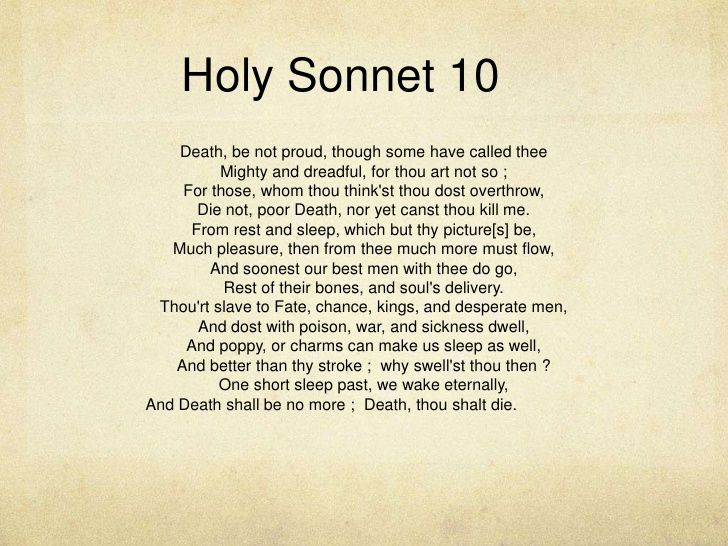
So I repeat with John Donne ,” Death be not proud, …one short sleep past, we wake eternally, And Death shall be no more, Death thou shalt die”: vikas, the incurable hopeful