Per Aspera Ad Astra

Through Hardships to the Stars said Seneca. Though said long ago, these words still ring true. All outcomes of importance are a consequence of commitment, devotion & hard work to reach the desired result. You cannot just visualize success & go and eat a sandwich. The hunger for success must necessarily be followed by loads & loads of hard work.
Look at all the success stories of today. You will find solid, hard work underlying the achievements. A great example is Elon Musk, who puts in at least 80 hours of work every single week, & is known to make over 120 hours sometimes. Why? Musk puts it this way: “Nobody changes the world working 40-hours a week” Bill Gates is on record saying he never took a day off in his 20s. Look at the work ethic of these people: Jeff Bezos put in 12-hour working days during Amazon’s early days and did this 7-days per week; Venus & Serena Williams woke up early to play tennis before school & came back after school for their second session; Tim Cook is the first person in the offices of Apple & the last one to leave; Michael Jordan’s insane work ethic is why he is such a legend now, according to his coach Phil Jackson; Kobe Bryant would practice his basketball skills every hour of the day. . The same is true for Virat Kohli or Jasprit Bumrah. Recently Narayan Murthy & SN Subramaniam caught a lot of flack talking about 70 & 90 hour work-weeks. While “staring at wife’ argument of SNS was grossly misplaced, the part about working hard is indeed right. When the objective is laudable & large, it demands contributions far beyond the ordinary.
Hard work is fundamental in tracking down & perfecting a strategy or in executing it. All the success stories we admire in every field, whether it is Dr Abdul Kalam or Dr Hamid of Cipla were legendary in their commitment. They intuitively understood that while talent is important, hard work beats talent every time that talent does not work hard!! These people understood that Luck is great, but most of life is Hard Work. Most successful people’ working hours are far above the average work hours of people. That itself should tell us about the positive correlation between hard work & success. Unless you are born into money like Akash & Isha, {the twins from Mukesh Ambani, who just come back from studies abroad to become head of the Reliance Jio and Retail & e-Commerce businesses of the Reliance group, respectively} the road to success is hard work. They might have directly landed at the top of the corporate heap, but the legacy of hard working Dhirubhai and Mukesh will ensure that they have to prove themselves to remain where they are. Mukesh himself is described as an “inscrutable man” who prefers to maintain a low profile. But the way he has grown the Reliance empire after a breakup with his brother Anil is a testimony to his focus & efforts.

In another familial succession, look at the example of Kumar Mangalam Birla, who was thrust into leadership after Aditya Birla died of cancer. Talk to any AVB group employee & be regaled with stories of the dedication & commitment of KM. He not only led from the front, but ensured the AVB Group scaled new heights, standing tall today at a market cap of over $ 100 Billion. KM led their foray into very diverse businesses which  include metals, cement, fashion, retail, financial services, renewables, fibre, textiles, chemicals, real estate, trading, mining & entertainment. He gets by with just 6 hours of sleep. There are not enough hours in the day for KM, who regularly finds himself in the office on a Saturday, buried under work. Work usually spills into part of his Sunday, leaving only a shred of the weekend for his wife and children. The story is similar for Shiv & Roshni Nadar, Azim & Rishab Premji, Rohit Jawa MD, Unilever India & other senior professionals today. In other words, the more hours you put in, the faster you get where you want to go.
We must remember Marcus Aurelius, “The object of life is not to be on the side of the majority, but to escape finding oneself in the ranks of the insane.” Modern Instagram entrepreneurs advertise the possibility of working 4-hour work-weeks, whilst living in a big mansion including a swimming pool & a brand new Ferrari in the garage. But is that truthful? Can you work 4-hour weeks & earn an income that’s far beyond average? See what Gary Vaynerchuk, US Entrepreneur & Social Media Moghul, says : Working 19 hours a day every day for the last 20 years has been easy for me because it’s the only gear I ever knew. I sucked at school so it was my only option. Not everyone needs to become a billionaire or change the world & work 80+ hour weeks. But everyone must figure out what success means to them. And when you know what success means to you, create your life around that.

However, to benefit from the value of hard work, there’s another important element to look at. Smart Work. You see, working hard without working smart is like hitting a nail with your fist instead of using a hammer. You might go very hard at it, but the process will take much longer. Besides, you may end with a bleeding fist! Let’s understand smart & hard work with an example. You work in a field & grow crops for a living. You put in long hours & water & nurture the crops every day. But when the time comes to collect the fruits of your labor, there are no grown plants nor fruits. You worked so hard at it, that you didn’t notice that you planted too many crops. And none of these caught enough sunlight to grow & give you the fruits of your hard labor. It feels frustrating when you put so many hours into a task and do not get the anticipated results – despite learning something in the process!! Your neighbor farmer is smarter, but lacks work ethic. He planted his seeds more thoughtfully so that seeds could catch enough sunlight. Yet, he failed to nurture the crops every day & the crops died in the process. In conclusion, you need both to work hard & work smart. Working hard isn’t a great strategy on its own. Being thoughtful about your work is as important as working hard.
Per Aspera ad Astra. You can reach the stars if you stretch & reach out. But no one says it will be easy. Be prepared for the stretch & difficulties, for your goal will demand sacrifices. I end with a quote I love but whose origin I forget. It is no less true because of my lapse.

“Stranger think long before you enter/For these corridors amuse not passing travelers. /But if you enter, keep your voice to yourself,/Nor should you tinkle or toll your tongue,/These columns rose not, for the such as you./But for those urgent pilgrim feet that wander/On lonely ways, seeking the roots of rootless trees Enjoy the journey: vikitraveller

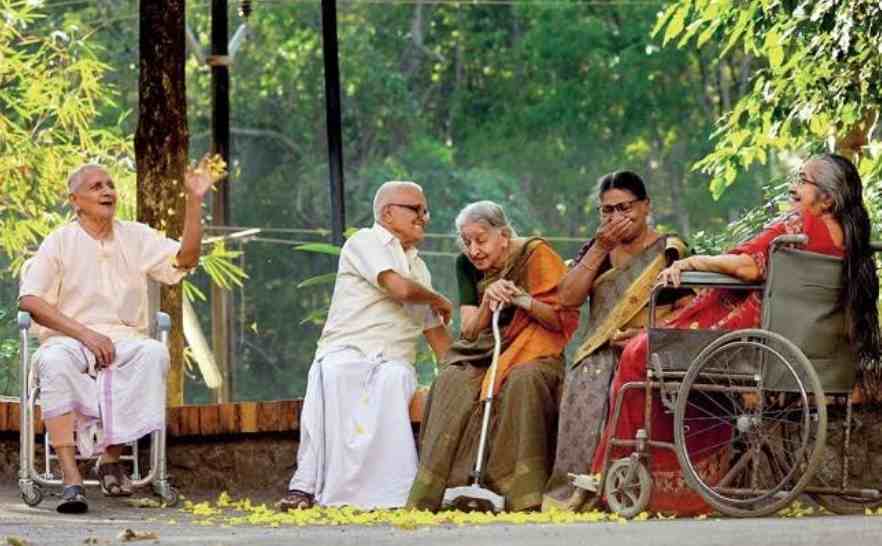
Not Vruddhashram, but Anandashram

My mother died in Oct 2012. This was after nearly 60 years of marriage with Baba. Theirs was a love marriage, in that era, a college romance!! So my father’s constant refrain daily was ” Why did Pramila leave me all alone?” “I cannot live without her”. Our words of solace went unheard. How does one explain the uncertainty & unfairness of life? After a couple of weeks, Baba created a different challenge for all his children. Individually he would accost his 3 daughters & my wife, his daughter-in-law , & me , his only son, with a constant ask “I want to move to an old age home”. He was living with my eldest sister who, with her husband, took great care of him. My sisters’ daughters & 4 grandchildren never let him feel lonely. Me & my wife would visit him at my sister’s place multiple times a week. Still, his demand was strident. ” I want to go to an old age home”.

We had a war council meeting! All 3 sisters, eldest brother-in-law, my wife & me. How do we convince Baba that what he asks for is just not on?? Having lived in large houses & enjoyed a good life (maybe not lavish, but never missing out anything) our worry was : how would he adjust in an Vruddhashram? Space would be limited at best or shared at worst: not at all how he had lived for 80+ years hitherto. Moreover Baba was hard of hearing, a hereditary problem for Shirodkars! So in a new place with strangers, how would he manage? Physical issues apart, the sheer social “stigma” of putting your parent in an old old age home. लोग क्या कहेंगे? With 4 children, all well off, capable of taking him into their house…how did Sr. Mr. Shirodkar end up in a old age home?? How cruel & ungrateful children!! after all that the parents did for them, brought them to this stage, & how they repay!!! Fie!!! किसी पर भरोसा नहीं कर सकते!!! ad infinitum.

But my father (after all, MY father) was adamant. so after multiple failed attempts of trying to convince him, it was decided that Padma, my eldest sister, & Vinita, my wife, would take Baba around to check out some old age homes to explore the feasibility of the राजहट …the royal unrelenting desire. Together they traversed Mumbai, Thane, Karjat, Wada, Lonavala, Kamshet, Talegaon, Dehu, Pune , Satara, Kolhapur & in between. Nothing appealed: Somewhere the facility was run down. Somewhere there was only shared acco. Somewhere food was pathetic. Elsewhere no dedicated support staff, which would be required as my father could not hear any bells or announcements. The search continued. As well as parallel efforts to convince Baba this was not a good idea. But the old man was firm. I want to go to an old age home was his strident call.

In retrospect, becoming wiser after the event, I realize our objections & efforts to convince him not to go were misdirected. In the interim period I have seen many senior couples openly discussing this option with their grown up children. Children are working/living abroad or stationed far away with their own challenges in being able to extricate themselves from their routine. So the oldies are left to fend for themselves or rely on family friends or distant relatives who happen to live in the same town. Progressively the ability of such tertiary contacts to support starts drying up; & we are back to square 1. In such cases it is common to hear about the seniors themselves deciding to check themselves in to Senior Assisted Living (modern euphemism for Old age homes).

The builders’ lobby are now seeing this as a growing market with discretionary income increasing both of the seniors & their children. Excellent facilities now dot all the holiday locations like Goa, Coimbatore, Coorg, Panchgani, Khandala & the like where the modern, well appointed alternatives for assisted living are coming up. These places boast of all the facilities one can dream of: Doctor on call, full time Nurses, Canteens which are more like restaurants, Heated swimming pools, Ambulance on call, Gym, Library, Laundry, House cleaning services, weekly shopping trips, tie up with hospitals, all indoor-game tables, Meditation halls etc. Most of these are located in pollution free environs & have on-roll professionally trained care-givers. The more luxurious the facility the lesser the guilt for the children earning in dollars; whose only constraint is giving time. Here is an option where you know your parent will be looked after well, possibly much more professionally & better than if they had to fend for themselves or worse be dependent on some distant relative/family friend.

The biggest USP these Vruddhashrams’ offer is companionship of like-minded, similar aged people who are travelling the same path & have common issues/problems. And the importance of this “sailing in same boat, & with similar experiences & issues” just cannot be underestimated. However much you love your parent, there is a “generation gap” separating you two. Possibly, at that stage, this gap gets exacerbated. Conversely in the old age home, the parent finds himself in like-minded, similarly placed “company” & that companionship is possibly his/her most important need, at that time. Possibly I will be accused of blasphemy but I venture to say the old parent may actually be happier in the old age home, transforming the Vruddhashram to an Anandashram, a happy home.

In these homes, there is space/privacy & yet there is companionship. Some of the other clear wins over traditional homes are: Safety & care, a sine qua non. Regular timely attention ensures no one forgets their medicine dosage. Periodic monitoring of diabetes and/or BP. Emergency medical help is available immediately when required which with the regular health check-ups helps better health management. A big mental safety net & support of like minded people which boosts confidence, as well as, the will to live. Many facilities run hobby centers encouraging craft & art. Besides creativity, this also supports networking & social interaction. Residents do not feel lonely or alienated, emphasizing positivity & good health, both mental as well as physical. Finally, in a curious twist, old age homes may give more control on their personal life to the golden oldies. They can truly experience individual freedom, sans responsibilities of cooking, cleaning, etc. All pedestrian needs are taken care of & they are free to participate in any social, religious or cultural activities of their choice. All this adds to the happiness index & consequently better health, mental & physical.

I am sure you have now understood why I call these as Anand Ashram rather than Vruddhashrams. I end with a plea. Pl learn from our experience & let us change our mindset around assisted living for seniors. We should encourage this option so that the seniors as well as the families can be happier: vikas

PS1 Baba died 6 weeks after Aai with the refrain of मी एकटा राहिलो (I am alone) on his lips. He had no physical ailment. Just gave up his will to live without his wife. Question which will dog me till I die: would he have been happier in an Anandashram?? & lived longer???

PS2 A close friend Nitin Charekar is actively associated with Ashtha Foundation, Aurangabad. This blog owes a lot to him

71 & going strong

No Seating Place

No Cutlery Crockery

More than 70 flavors

Pay by Cash Only…no digital payment mode

No parking available

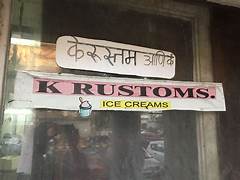
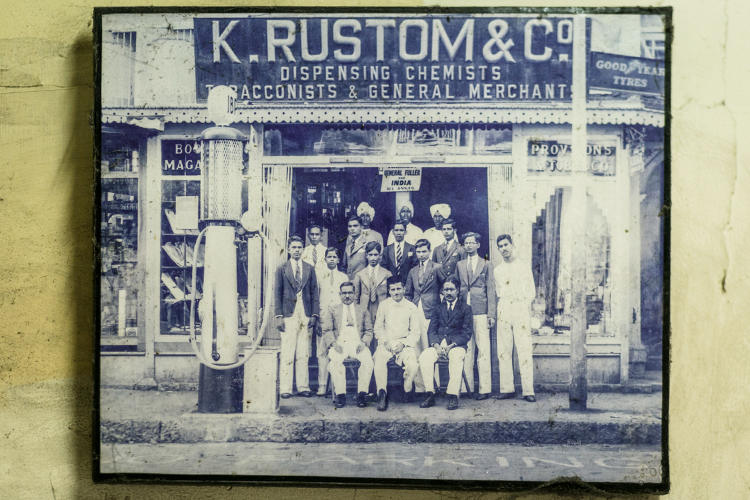
Most visitors to Mumbai would have understood: I am talking about the one & only K Rustom Ice-cream parlor. Is there any dessert more universally loved than the ice-cream? Rustom’s small take away counter is forever crowded. The servers are so busy that they give you a few seconds to tell your order. Take your money. And then they are off. To put the delicious ice-cream slabs in wafer biscuits on the counter just behind. Under the most watchful eye of a frail, yet tough Parsi old lady. She would verify orders from 4/5 servers crowded behind the counter. Take & return cash. Then the server turns around to the massive service counter, puts the slab of the flavor you asked for, in between 2 paper-thin wafers. And then hands you a piece of heaven!!

This iconic ice-cream parlor, K Rustom is in the Stadium Building, opp. Chuchgate station, enroute to Marine drive. Those of you who have experienced the K Rustom magic will agree with me that the ice-creams are heavenly, the flavors totally authentic, the ice-creams smooth & creamy. While others may swear by the many other icons of Mumbai viz. Gateway of India; Hanging Garden, Marine Drive, Rajabai Tower, CST Terminal building to me, it is not surprising that, this humble eatery ranks amongst the top addresses which define Mumbai & get it the reputation of the City of Dreams. K Rustom’s’ ice-cream & its glass of sweet curds rank right amongst the top of the list that make Mumbai what it is.

Echoing the famous Pune bigotry, K Rustom can loudly proclaim,” We have NO branches”. In the historic Brabourne Stadium Building, in the North Stand, facing main Veer Nariman Road, leading to Marine Drive , K Rustom has Shop no 6 which is 3070 sq feet area with a 950 sq feet mezzanine. Come to Churchgate, Stand in the messy que, get your ice-cream, eat standing on the footpath with the ice-cream dripping on your fingers & hand by the time you finish. And then wonder whether you will brave the crowds again & go through the whole rigmarole of order & delivery to have one more different flavor. Every time you have an K Rustom ice-cream it leaves you wanting more. This sentiment, every visitor to K Rustom will echo.

K Rustom holds a special place in the hearts of Mumbaikars, with many families considering a visit to the parlor a cherished tradition. Recently it made the list among the world’s 100 top ice cream spots. Let’s take a look back at where it all began. K Rustom was founded in 1953 by Mr Khodabux Rustom Irani, fondly known as K Rustom, who had a passion for creating delectable ice cream. The shop originally opened its doors as a shop selling everything from medicine to cotton wool but the family soon realized that their beach-adjacent location brought a lot of tourists & ice cream would be a popular attraction.

From the very beginning, K Rustom was committed to crafting premium quality ice creams using traditional methods & the finest ingredients, setting the stage for its enduring success. The Parsi/Irani thirst for perfection in all that they do, resulted in top-class quality ice-creams which have stood the test of time. The supporting cast of the show is their crispy wafers, sourced from Pune and Hyderabad responsible for a combination that has captured the love of many generations. This was a first in Mumbai and obviated the need for porcelain dishes which were expensive & prone to breakages. With the wafer sandwich idea, K Rustom had to just serve & the customer was off. making place for the next buyer to fight their way to the counter!!

Not that it has been a smooth journey for K Rustom all along. Since 1996 CCI & K Rustom have been in courts. A Small Causes Court in Mumbai had, in April 2022, directed K. Rustom to vacate the premises. The Cricket Club of India (CCI), had filed a suit submitting that the club requires the premises given on rent to K Rustom for its own activities. The Small Causes Appellate Court stayed the order on the grounds that K Rustom had no other premises to run their business. CCI went to the High Court. All Mumbaikars heaved a sigh of relief when in 2023 the High Court refused to intervene in the matter and K Rustom continues to do it’s business from the same premises as 70+ years ago.

So the K Rustom magic continues unabated. There are more than 70+ flavors served today. And all pocket friendly. Depending on the flavor one ice-cream slab costs anywhere between Rs 60 & Rs 100 today. Beginning with creamy Vanilla & Pineapple (which was their most selling flavor for long) they have graduated to more exotic flavors like Kiwi, Peru (Guava), Chocolate Mint, Coffee & the like. Toffee & Almond Crunch are all time favorites as also the Seasonal flavors they added like strawberry, chickoo & mango. Today apparently the Crunchy Walnut is a hot selling item.

K Rustom, while it can boast as the oldest ice cream shop in Mumbai, is not merely a dessert stop; it is a living testament to the city’s history and its love for timeless indulgences. As the years pass, K Rustom remains a cherished destination for those seeking a taste of the past, offering a delightful journey through flavors that evoke memories & emotions. My father took his beloved to K Rustom ice-cream in their courting days. So did I. And now my daughter too stops there. The story of K Rustom is a reminder that some things are meant to last forever, and its place in Mumbai’s heart is firmly etched as an enduring symbol of joy, tradition, and deliciousness.

So rush to K Rustom & enjoy their fare. Again & again. You will thank me with a satisfied belly & cream-filled lips vikas

PS1 : My Cuttack friend Daduly & his wife wanted to tour Mumbai icons and that took us to K Rustom recently. It was Daduly’s idea that I capture this living icon of Mumbai in a blog. So here goes

PS2 : Thanks to Upenbhai my other school friend who paid for the ice-creams.

Scavengers : a misunderstood lot

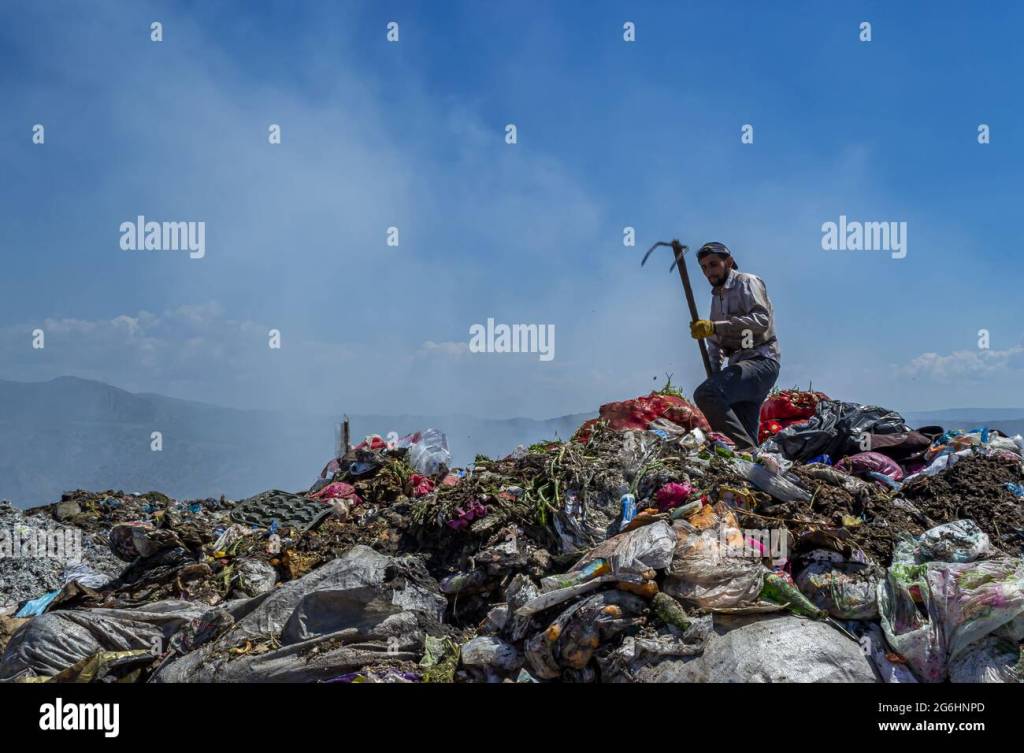
Afore Script: typically “scavengers” refer to animals who live off other dead animals. They too serve a purpose. But I want to talk about scavenging as burrowing through dirt or garbage, to retrieve something useful.

One of my early, yet strong, memory of impact of literature on my mind was reading a description in a Tennessee Williams’ play. Tennessee always wrote about “marginal” characters, people living on the fringes of society. I have forgotten which play it was, but he describes a scene where a poor, decrepit couple are sitting on a heap of left-overs & trash, dumped on the outskirts of the town. And this couple, out of desperation, driven by acute hunger, are scouring the heap of trash & finding small nibbles of food, in the trash dump, & picking that out & eating!!! I was a college student, in my teens, but that image I have carried for 50+ years. To me, that is a nadir of human existence, where humanity can fall!!

That was an American playwright’s visual but India affords us similar sights. Abject poverty & hunger driving people to stoop to any level to feed themselves. So what if it is out of a dustbin or a community trashcan? While it is sad & hurtful to see, we may at the most pay something to the scavengers to go & eat or have a cup of tea. Or most often, shake our heads sagely, then ignore & carry on with our lives!!! Yet when I think more, I am intrigued by the mindset epitomized by the scavengers of searching for something good & converting adversity into opportunity, which is admirable . This blog is on this positive mindset of the scavenging profession, which we can learn from. Finding something useful in a pile of dirt.

Had heard a motivational speaker tell a story of a scavenger which opened my eyes, yet again. There is this small, young girl who has a gunny sack over her back. She is going from one garbage dump to another, in a large housing society. She stops at every garbage can, rummaging inside to see if there is anything worth salvaging, something which is still useful. Every stop she picks out plastic, metal, caps & cans which have been thrown away. And merrily puts those into her gunny sack & moves forward.

All of us have seen such garbage pickers early morning on streets. Roadside dogs, suspicious of this stranger, bark & try to drive her away. The small girl shoos them away if they come too close. And then steadfastly continues her collection! The dogs follow her for a distance & when she turns the corner, return to their “galli”. But the strays of the other lane, start the barking & pursuing. The girl carries on her work. The motivational guru concludes,” कुत्ते भोंकते रहे, लेकिन लड़कीने ७ गलिया घुम के 18 रुपये कमा लिये” (Dogs continued to bark, but the girl visited 7 lanes & earned 18 Rs)

To me this story has 2 major learnings: No work is bad if you are focused; there is wealth hidden in the most unlikely places, if you search diligently. And, there will always be detractors….the barking dogs… you must still continue to do what is right by you.

So, I am writing this blog, to extoll the benefits of scavenging. We all must be scavengers in our own right. We must learn to search for good things, useful things everywhere. In people whom we meet, & discard in a jiffy. In relationships which we feel are turned sour. Wherever we are, office, family, friends, acquaintances search for the hidden good. Don’t give up on any place or anyone. Maybe you need to dig deeper, search more, shift thru the dirt yet again. There is hidden value all around you. It will come forth only if your search is diligent & thorough.

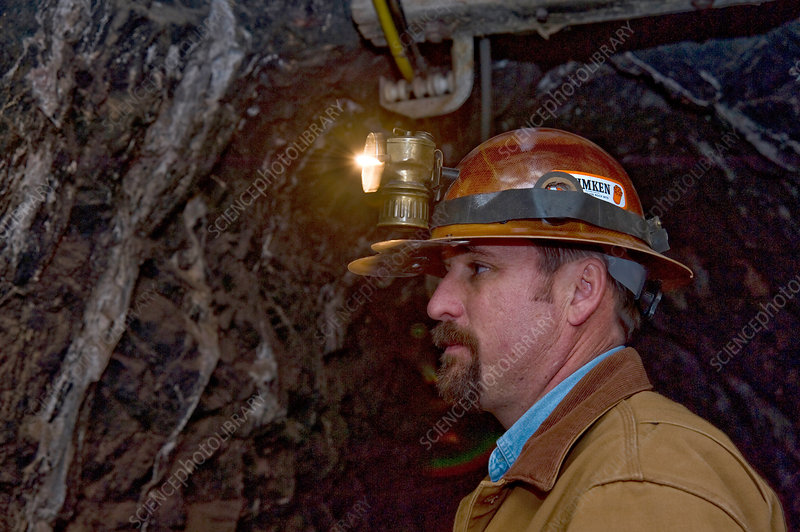
People are always a mixed bundle. Like a prospector in a gold mine, we can’t hit gold immediately. We have to sift thru much dirt, clean many many loads of mud & sand. The diamond miner should be our role model. Enter deep. Dig hard. Clean, clean, clean. And then you find the diamond hidden all around you!!!

Look at gold miners : long before any gold can be mined, significant exploration & development needs to take place to extract the gold efficiently, safely & responsibly. It can typically take years before a gold mine is ready to produce material that can be refined into bullion. Do we give so much time to our relationships? People are always a mixed package. Do we have the patience of a miner? are we searching enough? Do we give up too easily?? Our “searching” mindset must be as powerful as the miners‘… Our tools for digging must be sharp. And we must have patience & the faith that the gold is there… around the next interaction, the next project, the next … Our searching mindset must be on continuously like the miner’s headlamp when he is exploring in the mine.

In interactions with people, recollect the jigsaw puzzles you played as children. Each piece is uniquely shaped. Some have corners. Some have sharp edges. But when you find the right piece & its correct placement, it fits beautifully together. And reveals a new picture!!! People in our lives are similar. All are unique. But when they come together & fit in, a beautiful picture emerges.

People in your life add that color & diversity. Give it time & effort. The solutions are all in the jigsaw set itself. You don’t have to throw out any pieces. Or break or re-shape pieces for the solution. Stick with it & the pieces will fall in place. Remember you may not know how your piece fits in, but someone else’s picture would be incomplete without you.

Let me end with another parable. The Greek poet Archilocus pointed out The fox knows many things, but a hedgehog knows one important thing.

There are two types of people in the world: foxes & hedgehogs. This dichotomy describes contrasting cognitive styles, ways of viewing the world. If you adopt fox-like thinking you rely on multiple pieces of information to form your view on an issue, & think about it from different angles. The fox is always exploring & moving around. But if you have a hedgehog mindset, you develop your world views & predictions with a central, overarching principle in mind. Focus & depth. Point to learn for us, people will be different. Blend & get the best from all around you. Learn from all. Search for paydirt, even if it is in dumping yard.

To end: Be a Scavenger. Ignore the barking dogs. Move forward. Remain focused on your goal. Search for the good everywhere. Don’t worry if you get dirty : vikas

Scared? Anxious?? Depressed?? We understand…

Have you ever wondered why some are “scaredy cats” while others are open to any new experiences/situations? In fact, some will actively seek out haunted houses & streets : will be more than happy to go & stay to tempt the ghost to show itself. There is a certain populace which laps up horror movies & then there are others who would not be ready to watch a horror movie at all. A Dr friend of mine talked to me about intergenerational trauma. When I read about this concept a lot of things made sense. Hence this blog.

My close friend & partner was brought up in Hazaribagh. His father was a senior, respected official in DVC. Everyone knew him & his family. So the only safe place as a school kid to smoke cigarettes (away from eyes of all) was the Christian Cemetery, as no one would go there. So the motley group of school friends would go in the evening to the burial grounds, sit on graves, resting against the tomb-stones, & smoke their cigarettes. Contrast this with me who was born & brought up in cities, dreaded the dark, & was scared to even go to the toilet in the night in our village, because the toilet was located a good 5 mins walk from the house. The lantern in hand was not enough solace. Pitch darkness all around, rustling trees, shadows & shades which looked like warriors or goblins out to swallow me!! I always woke up a cousin or an uncle asking them to accompany me to the toilet. Safety in numbers, if the ghost does turn up!!!

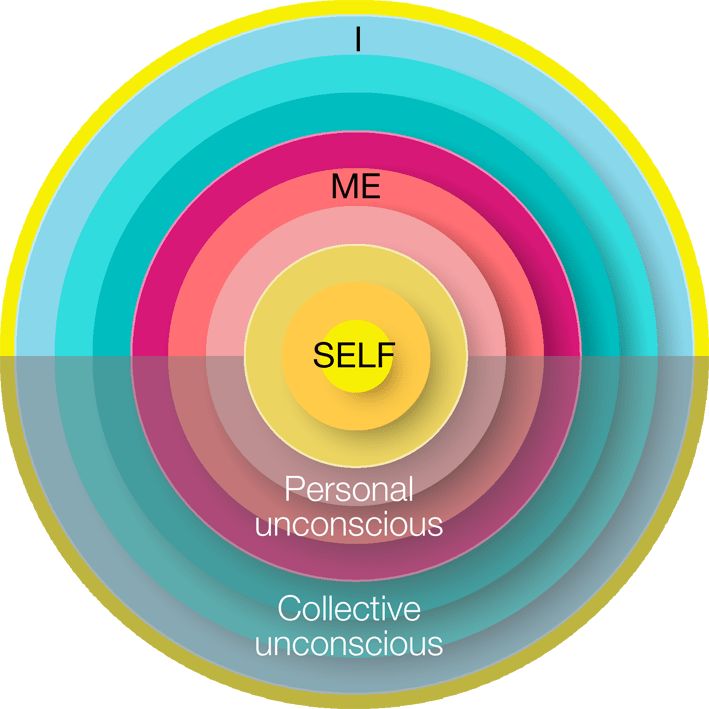
One has often wondered why the most gullible people for ghosts, sightings and apparitions are Keralites and the Konkanis. Every Keralite has a ghost story in his personal repertoire!! Every Konkani has seen a white clothed figure on dark nights in the ghats, who suddenly disappeared!! And these stories are repeated often to pass into folk-lore. Nor are these isolated experiences. In India all the 27 states (& some with even sub-divisions) each have their own separate “brand”. Each has unique characteristics, language & stories shaping thinking & behaviors of their people, often distinctly different from their neighbors. What is creating this? Is it their food? their dress? their upbringing? The culture shaped for each state/region is really the “collective unconscious” which psychologist Jung talked of way back in 1916. The collective unconscious has a profound influence on the lives of the individuals & shapes their experiences & perceptions. Unconscious is that part of the mind containing memories & impulses of which the individual is not aware. Some of this may be common to mankind as a whole & originating in the inherited structure of the brain. It is distinct from the personal unconscious, which arises from the experiences of the individual. Per Jung, the collective unconscious contains universal primordial images & ideas.

Relatedly, psychology is now talking of Transgenerational or intergenerational trauma. This refers to the idea that traumatic experiences & their effects can be passed down from one generation to the next, influencing the lives of family members, communities, or even entire cultures. So the genesis of my fears & anxieties may well be beyond me. Remember Abhimanyu learning of Chakravyuha while in his mother’s womb. We hear of children born with memories of past lives, where they stayed earlier & their earlier dramatis personae. If you & I think closely we will accept that many of our thoughts & feelings are shaped not by our individual experiences but by something larger than us…the collective unconscious. Transgenerational Trauma is an outcome of this.

Think back to the times when the caste system was strongly followed in India. Wells for the shudras were different. Shadow of the lower caste person could not fall on a Bramhim. Living in such conditions for generations, would that not influence the psyche of the people?? Even when such practices are history, the impact & influence of this would still remain in the psycho-social space of the present generations!! Very comparable to the generations of slavery & ill treatment of the Blacks in USA. All subsequent affirmative action would not wipe the slate clean….either for the Whites or for the Blacks. See the angst felt by teenaged SC/ST people in India for whom the repression & ill-treatment may only be part of folk-lore. What part of the mental make up of the Adivasis in Koraput region in Odissa (or the Gonds & Bhils of MP & Maharashtra) still has roots in the generations of deprivation & discrimination they endured, is a moot point. Also recollect the local Rajahs & the Zamindars exercising total control on their “praja” for generations. That shaped people. The primordial conditioning & the environment shaped lives & thinking in toto. So, we need to acknowledge trans or intergenerational influences are real.

To understand Transgenerational Trauma we should understand the following aspects:

  1. Inherited trauma: Traumatic experiences are not only experienced by the individual but also affect their descendants. Classic example is the abject acceptance of the zamindar/Raja’s diktat even if detrimental to personal interests.
  2. Epigenetic transmission: Trauma can alter gene expression, leading to changes in physical & mental health that are passed down through generations. This may require clinical studies to assess impact. But eg in US Blacks & Hispanics consistently score lower on an average on intelligence tests, earn on an average much lower than Whites, are all data pointing in this direction. Similar situation prevails for SC/ST in India.
  3. Cultural & social transmission: Trauma is transmitted through stories, behaviors, & cultural practices. This is easily seen around us, as we still live in a tradition-bound, hierarchical society. The Khap tradition in Haryana & UP where sadly even today people do not think twice to kill couples who marry against the caste tradition. Despite all social propaganda, this is still predominantly considered the “right” thing to do due to the trans-generational unconscious.
  4. Emotional & psychological legacy: Unresolved trauma can shape family dynamics, relationships, & individual identities. Again we all have examples of brothers becoming enemies of brothers. This divide draws strong lines across generations. People may not know the cause or rationale but still are affected.

Other notable examples underlining prevalence of transgenerational trauma are:

  1. Holocaust survivors’ children and grandchildren experiencing anxiety, depression, or PTSD.
  2. Indigenous communities’ historical trauma from colonization, forced assimilation, & violence affecting current mental health. Most studied examples being the Red Indians in America & the Aboriginals in Australia
  3. Many families’ transgenerational trauma from slavery, segregation, and systemic racism.
  4. Refugees’ experiences of war, displacement, & loss impacting their children’s well-being eg partition of 1947 & it’s aftermath
  5. The aftermath of dropping the Nuclear bomb in Hiroshima & Nagasaki which created both physical abnormalities & psychological trauma for millions of Japanese, which is being handled even today.

The observed effects of Transgenerational trauma include:

  1. Anxiety, depression, PTSD, & other mental health issues.
  2. Substance abuse & addiction.
  3. Relationship difficulties & attachment issues.
  4. Physical health problems (e.g., chronic pain, autoimmune disorders).
  5. Identity formation & self-esteem challenges.

So how does one break the cycle? Research shows that the following steps help contain, if not totally overcome the trauma

  1. Acknowledge & validate the trauma.
  2. Seek professional help (therapy, counseling).
  3. Practice self-care & stress management.
  4. Foster open communication within families.
  5. Engage in cultural & community healing practices.

Recognizing transgenerational trauma can help individuals & families to understand their experiences in context. This in turn will help develop empathy & compassion, enabling one to break free from cycles of pain. In the long run, this will heal & build resilience.

Hope this blog helps better understanding of intergenerational trauma & aids finding solutions: vikas

PS : This blog is heavy. I have tried to put as many examples as I could, to bring this concept to life. Our Healing & Health will depend on understanding transgenerational trauma and actions to overcome its effects

My Anal Bhau

15th October brought the sudden & shocking news that my elder cousin Anal Pandit passed away. While shaken to the core, I was actually confused whether I am in grief or not. Let me explain.

For the past over 25 years Anal, who at one time was my closest relative & friend, had distanced himself from me & the rest of the extended family. He was upset with some developments, and which family does not have issues? But here Anal Bhau declared तुम्ही सगळे माझ्यासाठी मेलIत. All efforts from a number of us cousins to reconnect, apologize were steadfastly pushed back. And Anal chose to pursue his path alone. But this was NOT the core Anal. He was always a very loving and considerate person who had gathered a large friend circle around him & was very popular with most who came in touch with him. Let me start at the beginning.

My eldest maternal uncle had 4 sons. My eldest Mami was love personified. Though her financial situation was not comfortable initially, Abamami was a true family builder. Her house was always the center of family events & people. Forever welcoming & affectionate, she knew how to make everyone happy No sacrifice was too much for her to host others & show her love. All this was 100% replicated DNA of my Anal Bhau.

Anal was 1 year elder to me & his younger brother was 1 year younger. So I had great company of similar thoughts & experiences whenever I was with them. Every vacation when I was in Mumbai, I would run off from my grandfather’s house & stay at Worli with Abamami & family. Though the house was small, the hearts were super large. In the company of the cousins I sent my best holidays. To help & support his mother financially, Anal had started doing odd, yet arduous, jobs very early in life. Early in all senses of the term as while in school, he would get up at early hours to go out & distribute library books for children!! At that time, foolishly, only implication for me was Anal had some money in his pocket & could treat us to cutlets at the neighboring Irani cafe or iddli-wada at Matunga and wadapav & tea at Shivaji Park. Much later one realized that Analbhau taught us the dignity of labor.

Even as kids, one was impressed with his network when we moved around together. Every alternate person would know & acknowledge him at Shivaji Park & Worli. His friends were legion. And the friends of younger or elder brother also soon became a part of his extended circle. His school was at Dadar thus his बालेकिल्ला became Dadar & Shivaji Park. Later I studied in Ruparel, Anal in Ruia & his younger brother at Poddar, Anal was the only one of us who developed friends in all 3 colleges. Some of his school friends went on to join IITs & then IIMs. Resultantly, Anal’s network grew wider & wider. And these friendships were never superficial. Anal’s contacts were deep: anyone of them would be ready to do anything for him. Correspondingly, Analbhau was always available for anyone in need. Generosity was in his blood stream. He gave very freely of his time, effort & where possible even money to help and support others. And all this with no expectation of any return favors!! My first house purchase was with Anal’s physical help & running around. When we returned from Atul & were looking for a flat, Anal spent weeks & weeks with us, moving around & shortlisting properties. The negotiations were spearheaded by Anal. And the cash part of both the house deals were done with Analbhau carrying the bag of cash. De facto, Vinita & I could not imagine doing anything in Mumbai without involvement & support of Analda.

Anal in Sanskrit is Fire. Anal was that part of FIRE which helps and improves others’ lot. Giving light, spreading cheer & warmth helping others, makes others’ lives better: all this was second nature to him. Amongst all of us cousins in this generation, Anal had the most well developed social conscience. His caring nature shone through in his support of a myriad schemes of social service projects. Did he learn this from his stint in National Social Service (NSS) in college? His commitment was deeper than what most of us had as teenagers. Even as a college student he was actively conducting Blood Donation camps spending his hard earned money to sponsor coffee & biscuits for the blood donors. His dedication to the social cause continued & possibly I for one got out of my I-me-Myself mindset that was core to my being due to him. Anal was aware of how the “rest of the world” lived & was always keen to see what he could contribute to improve their lot. Though unmarried, he was never alone. He epitomized the हे विश्वाची मIझे घर philosophy.

Amar, Anal’s younger brother, was the first amongst our generation to go abroad to work in Middle East as a CA. Most of the other brood made international trips for work. Analbhau was the only one who financed his trip abroad from his own money. With his large number of school friends spread across the length & breadth of US, Anal lived for 3/4 months in US travelling all across the continent in Greyhound buses. He had to spend zero on hotels. His stay was all in friends’ homes. But he saw the US much better than anyone of us who have gone as tourists or on official trips. He experienced America first hand, very closely & managed to make so many friends & family happy as he reached out & spent time with them.

Anal’s another unique characteristic was his comfort with all levels & social strata. Whether it was the Royal family of Baroda, the Gaekwads ( with whom he worked for years as a consultant) or School children Anal managed to carry his Zen with him always. He was equally at ease with corporate Directors or workmen. Housewives or highly placed professionals all listened to Anal and sought his advice. Whenever Anal visited any household. ALL people there became his close friends. How many of us can say my school friends’ wife is equally my personal friend. The grandparents in houses became his friends & prior to the email & mobile regime, he used to regularly write long letters & had made many, many pen-friends. As an observer, I many times admired the fact that one friend’s wife considered him a great smoking partner ( though Anal never smoked & just gave of his companionship) while in another house he was the fav companion to listen to old Hindi film songs. Rich diversity & inclusion was a core value Anal lived by.

As though all these characteristics were not enough to enrich this personality, Anal had a way of facing adversities & challenges with a positive frame of mind. Nothing was difficult for Analbhau. And he would not give up easily. Overcoming obstacles came naturally to him & he did it with a smile. He had to face a lot in life but that did not diminish his self confidence & faith in mankind

So to answer the question I raised at the start: I realize I am grieving & hurting. Obviously, the world is poorer with the loss of this pillar of friendship & support. Am sure wherever he is , he is looking down on his friends & family in a benign manner, satisfied with himself for an innings well played, with significant contribution to all around him. All of which would be most fondly & gratefully remembered.

Anal Bhau we will miss you. RIP ( return if Possible) vikas

Sutras for Life

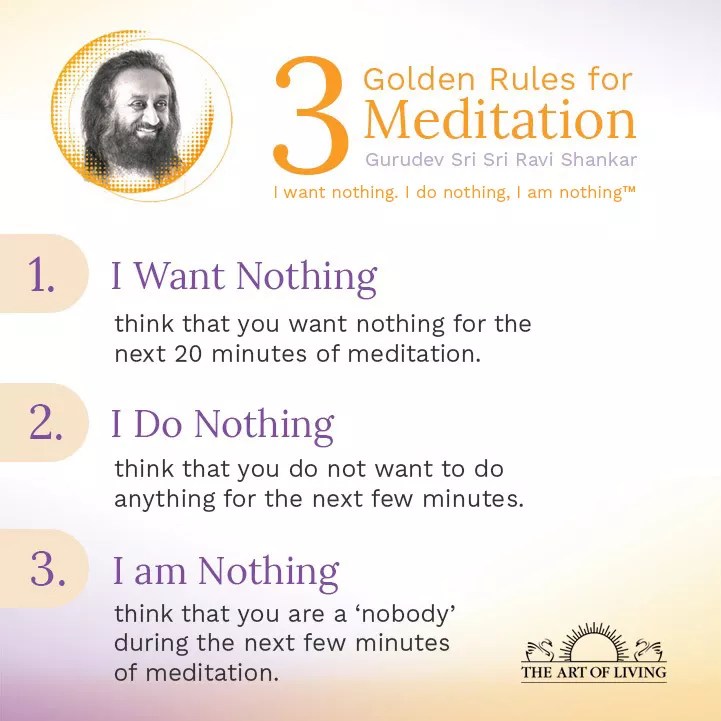
I recently underwent 2 online meditation courses conducted by Sri Sri Ravi Shankar’s Art of Living Foundation. While the meditation courses per se were OK, one of the Teachers talked about 3 “Meditation Sutras” which made a strong impact on me.

I thought that these Sutras were actually Life Sutras, & can totally change one’s life if one understood & practiced them. So I thought of sharing them with my readers & convey why I am so excited to learn these. To me, the revelation was akin to a hidden treasure chest. Something which can lead & direct your life for all times to come. And to the egalitarian in me, what appealed most is their sheer universality. The Sutras apply to everyone regardless of race, religion, color or creed. They indeed bind all of us into a solid brotherhood, held together by our common human condition.

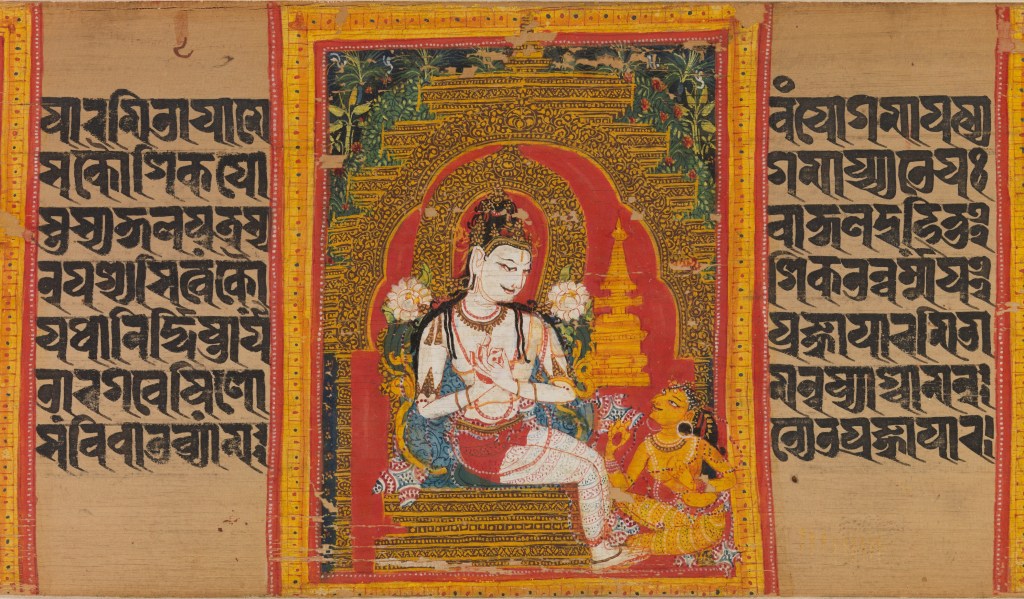
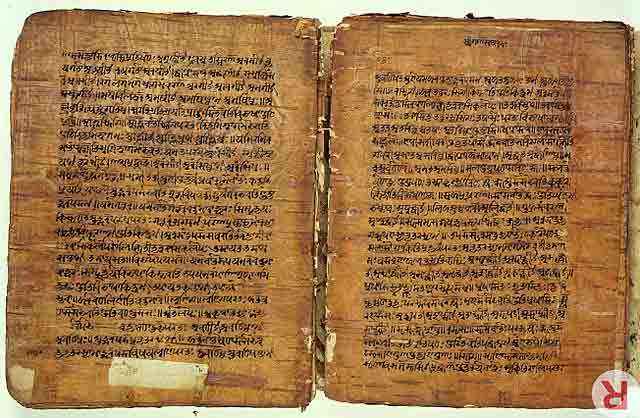
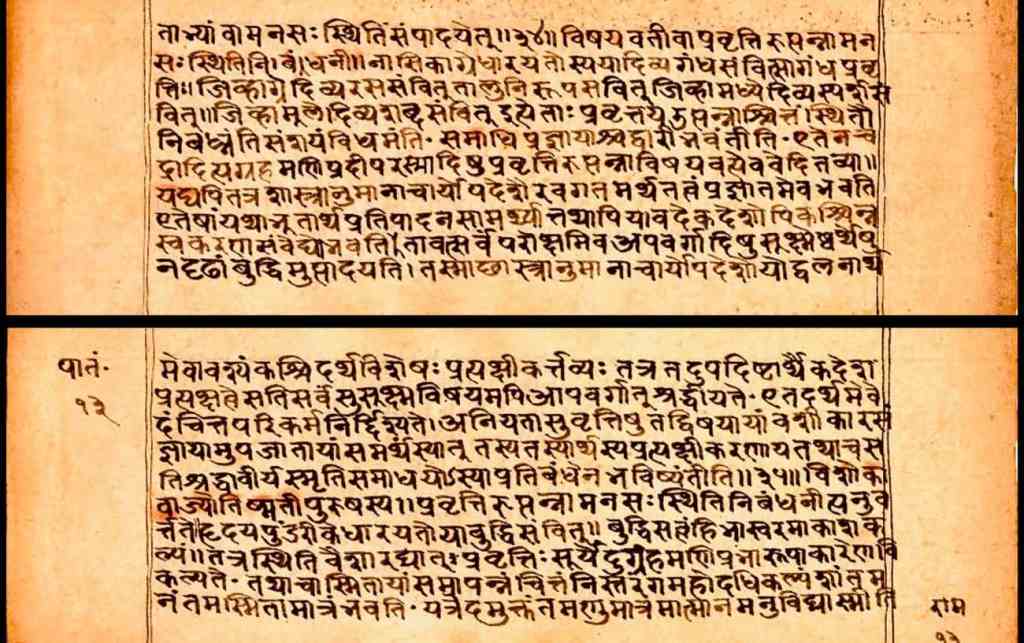
But before we talk of the 3 Sutras, Let us spend some time in understanding what is a Sutra. A Sutra (Sanskrit: सूत्र,  romanizedsūtraliterally ‘string, thread’) in Indian literary traditions refers to an aphorism or a collection of aphorisms in the form of a manual or a condensed manual or text. Sutras are a genre of ancient & medieval Indian texts found in Hinduism, Buddhism and Jainism; underlining their universal application & appeal. Sutras are called Sutras because, like a thread (or twine or string), they bind in written form, a previously oral tradition. The term was certainly also initially descriptive since the works were written on leaves or pressed bamboo slats, which were then bound together with thread. (Ref. http://www.worldhistory.org/Sutra/ )

We have all heard of the Panini’ Sutras. Patanjali’s Yoga Sutras. Which one of my readers can claim they have not heard of Kama Sutra of Vatsayana? That apart, mostly Sutras were used for propagation of religious teaching. For example, in Buddhism, Dharma tradition goes back to the teachings heard directly from Buddha. These were memorized by the immediate followers of Buddha & handed down directly from master to pupil orally. . The 1st attempt to agree the form of the Buddhist textual tradition, what was remembered as the authoritative ‘word of the Buddha’, took place some months after the Buddha’s death at Rājagṛha in northern India when 500 arhats (one who has achieved Nirvana and liberation from rebirth) took part in a ‘communal recitation’ (saṃgīti). Thus were born The Thervada ( way of the elders) and Mahayana Sutras. Though in written form these were accepted as the buddhavacana ( Buddha’ word)

Enough said. Let us move to the 3 Sutras that blew me over. They are:

I want Nothing

I do Nothing

I am Nothing

Let us understand each of these in some depth.

  1. I want Nothing. Buddha based his entire teaching on how to avoid pain & suffering on this one principle. Desires & Wants, Needs & Expectations are the root of all suffering & pain. If you want Nothing, you are beyond the realm of attachment. And it is attachment that brings pain in its wake. This is easy to understand in isolation. But when you go to practice wanting nothing, you realize that it is more difficult than you imagined. Especially today when instant gratification is the norm. Desires come up, or are thrust on us through the social media & advertising, so much so that we are always running behind the newer phone, the better car, the larger house, more cool friends William Wordsworth understood this well when he warned us,”

The world is too much with us; late and soon,
Getting and spending, we lay waste our powers;—
Little we see in Nature that is ours;
We have given our hearts away, a sordid boon!

By living the I want Nothing sutra, by slowing down, by accepting ourselves as we are, by refusing to be in a “catch-up” mode, we stay rooted in our hearts, happy with what we have, content & relaxed in our present state. This makes us powerful. Remember the popular blurb, “ even if you win the rat race, you are still a rat!!”

2. The next Sutra says : I do nothing. When I retired about 10 years ago, after an active career for over 35 years, the very idea of doing nothing was terrifying & intolerable. A situation to be avoided at all cost!! How will I keep myself busy? My very self-image was at stake, since as a professional careerist, I had been striving all of my life. But that was the past. Now can I live life differently? Can I let go? I soon came to realize Letting go of everything & doing nothing, even briefly, has mental and physical health benefits.
Initially, embracing the practice of doing nothing may create some discomfort because it’s absolutely opposite to our usual ways. But 10 years post-retirement, I find myself extolling the virtues of doing absolutely nothing, or close to it.

How does it happen? De facto, you are dropping all efforts. And the ego of being THE Karta, making all things around me happen. You stop being the General Manager of the World. And resign yourself to the twists and turns of serendipity. You are not the pilot, the ATC, the flight is moving sans your effort. Only thing for you to do is float. Be in the Present. Enjoy outcomes of every Moment. Without a fret or a fume. You repose your trust into a Greater Artist, who knows every move. And you resign yourself to let things unfold into the Larger Design, no longer limited by your smaller and narrow vision. Trust the Process. Let Go. Enjoy the outcomes. And have Faith that it will all be alright in the long run. This was exactly the mood in which Mukesh sang way back in 1967 in Boond jo ban Gayi Moti.

दिशाएं देखो रंग भरी चमक रहीं उमंग भरी
ये किसने फूल फूल से किया श्रृंगार है
ये कौन चित्रकार है ये कौन चित्रकार
( who is the master painter who has filled colors in all directions & flowers…transliteration)

3. And the last Sutra : I am Nothing. Recollect the Biblical Canon : Remember Dust you are & to Dust you shall return (Ecclesiastes 3: 20). And yet, how often we get caught up in our roles, our trappings of power & feel we are important. We believe it is our effort & diligence that is making the world go round. Further we fall into the trap of thinking How will this go on when I am not here or if I don’t do all that I am doing.

PB Shelly captured this arrogance well in his poem Ozymandius. Despite Ozymandius’s proclamation,” Look on my works, ye Mighty, and despair” The very next line tells us ” Nothing besides remains. Round the decay/… boundless and bare/The lone & level sands stretch far away”

Mark Twain in his characteristic style put is so well “ If you have Nothing to say, Say Nothing”. Still, the universe is full of noise, mostly beginning with I . The Reign of I is unbridled & even the most well meaning folks fall into its trap. Jiddu Krishnamoorthy had stopped using this pronoun I altogether. That is a rudimentary level. The real challenge is to conquer the I. All teachers are teaching us to annihilate the I And yet it grows, even amongst experienced folks. Arguably the 3rd Sutra is the most difficult to practice But it will take us to the most esoteric levels.

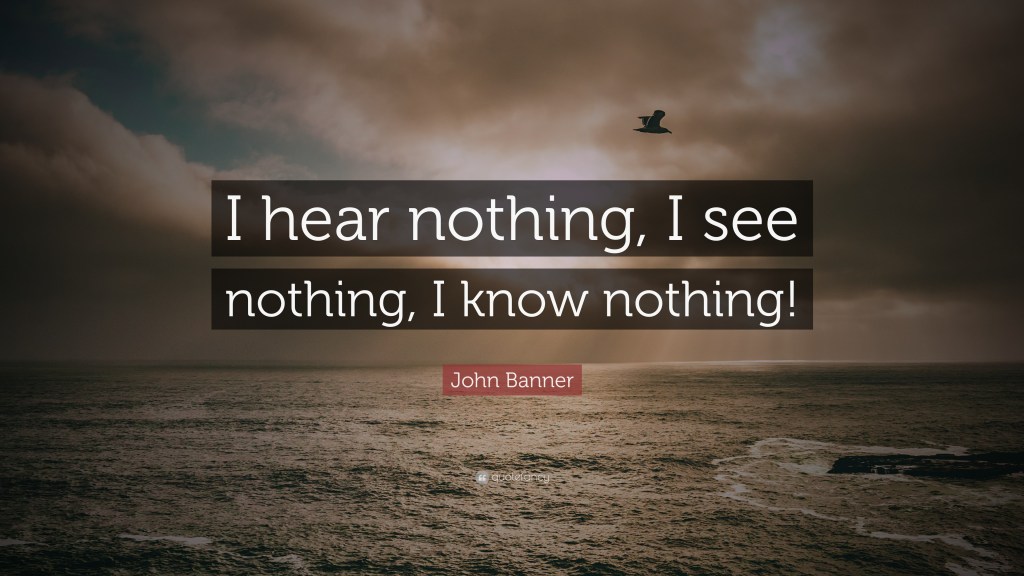
So remember : I want Nothing, I do Nothing. I am Nothing

Join me in the challenge of living the Sutras vikas

Eleftheria (Freedom)

Freedom. An ubiquitous need for every living soul. It gets defined, understood, interpreted & lived in different ways And yet it is possibly THE MOST important need for all. Freedom is a nasha, an intoxication, a desire in every heart & drives most human thought & effort. Amongst all human values & aspirations Freedom is the zenith, the highest point. Like the limit in calculus, it is point which is always ahead of you, which keeps drawing you to it’s center. Freedom’s attraction is the independence it gives you to rise above your given situation & aspire to do better, & better. Ad infinitum!

Maya Angelou explains it well,” Independence is a heady draft, and if you drink it in your youth, it can have the same effect on the brain as young wine does. It does not matter that its taste is not always appealing. It is addictive and with each drink you want more.” To me Freedom & independence is always bi-directional. What you want to do. And also what you do not want to do. Both define freedom. As an HR person, I wanted to do what was best for the organization & the people I worked with. Defining those goals clearly, & working towards them gave me the strength & confidence to do what gave me joy. But by that very definition & clarity, other things fell apart. They also defined what paths I would not take, where I would not go.

In Johnson & Johnson, we decided we wanted to be a Great Place to Work. Though not the best pay-master, we wanted to create an employee experience which retained people & made them proud & committed to J&J. So that meant constant feedback from employees, understanding what they want, changing policies & practices that drove superlative employee experience. Correspondingly, that defined what we would not do. No favoritism, No personalized promotions or career plans, No personnel decisions which we could not defend with data & logic, No ethical compromises, & so on. What we stood for automatically proscribed what we would not do. On the sharp end of the business also, while we wanted sales & growth, all of it had to be driven by clean & pure business practices which would stand the scrutiny of any auditor. And our own conscience!!!

Aeons ago, Nikos Kazantzakis (you may recognize him as the author of Zorba the Greek) beautifully pronounced, ” I hope for nothing. I fear nothing. I am free”. Fundamentally, this is also the root of Gautama Buddha’s teachings. All sorrow/suffering is due to our desires, needs & wants. Rise above the desires & you are in a state of perpetual bliss, supreme freedom from wants which tie you down & desires which cause sorrow.

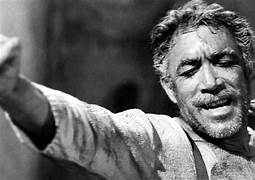
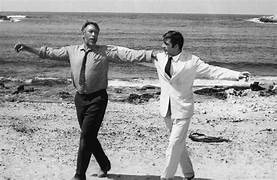
. Decluttering is about removing things we do not want. But Minimalism is discovering & being rooted in how little we actually need. When you are not hankering after worldly desires and possessions, you rise into a space of pure freedom. Kazantzakis etched a role model for all of us when he created the character of Zorba. Zorba’s love of the vast seas & fundamentally his life affirming philosophy epitomized by his dance (so beautifully brought to life by Anthony Quinn in the movie) is real freedom.

Despite problems & challenges in his life, Zorba’s determined optimism is explicitly shown to be a response to, & in defiance of, the cruelties and vicissitudes of life. In the movie, their lignite mining fails, their timber business is not successful, the whole village is against him & yet Zorba’s response is dance. The straight laced Alan Bates (Basil) asks Zorba to teach him to the siritaki dance steps.  Zorba tells Basil that the one thing he (Basil) is missing is the element of ‘madness’ which enables a man to ‘break free’. The implication of “madness” being, free from circumstance, responsibility, care. The perfect translation of this madness is “Junoon” जूनून As sung by KK यारों / जीभर के जी ले पल / लगता है आज कल/ दौर अपना आएगा/ यारों जो खुद पे हो यकीन / तो ज़िन्दगी हसीं / तुझे कल बुलाएगा/ है जूनून, है जूनून सा सीने मे I Zorba movie ends with Zorba & Basil dancing with abandon & enjoying the moves of the siritaki dance…pure freedom!!!

The Greek philosopher Epictetus reminds, “Is freedom anything else than the right to live as we wish? Nothing else.”. Yet Freedom in the truest sense cannot be bestowed by anyone else. It must be achieved by one’s own efforts. And once achieved there must be constant vigilance to maintain the hard earned freedom. A study of all Dictators in world history prove again & again that Freedom is never given freely by the oppressor. In the struggle to rise, the oppressor, having reached the top of the heap, loves status quo and wants to remain on top, with others following his bidding. Right from Alexander to Aurangzeb & even modern politicians all who rise to power want to stick to their power. In this context, freedom must be demanded by the oppressed. From the French Revolution to the recent developments in Pakistan all bear testimony to the fact the arbitrary rule of others does get resented & the effort is soon afoot to overthrow this yoke & gain freedom. This desire to decide one’s own destiny is true not only in public life but even in academic institutions & corporates of today. The means of protest & challenge may differ, but the effort is unequivocally towards self-determination. Look at the Organized Labor movements or today what we are seeing even amongst the learned bourgeoise, when post the work-from-home experience companies tried to get employees back to office, in a regulated working space & time. Moshe Dayan rightly called Freedom the oxygen of the soul. Remember Herbert Hoover proclamation,” Freedom is the open window through which pours the sunlight of the human spirit & of human dignity.” Indeed Freedom is as important as sunlight for growth & life itself.

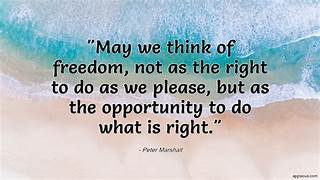
So what will you pay for Freedom? can it be measured at all? Or is it a constant sacrifice you must commit to? Freedom lies in being bold. In standing up for what one holds dear & challenging others who wish to deviate from the golden path. Freedom is indeed an uneasy crown of thorns. Challenging. Difficult. Freedom brings it own sense of duty. Freedom is not just doing what you want, but it should be seen as a responsibility. A serious responsibility to do what is right, & hold others also accountable to that higher contribution. Liberty and Freedom , when they begin to take root, are plants of rapid growth. As Dalai Lama said, “ Brute force, no matter how strongly applied, can never subdue the basic human desire for freedom.” Question is, are we ready to walk that path firmly and with conviction?

Let me end with Noam Chomsky’s question for all of us. “If you assume that there is an instinct for freedom, there are opportunities to change things, there’s a chance you may contribute to making a better world. The choice is yours.”

so tell me, where do you stand? vikas

To DE(legate) or not to DE

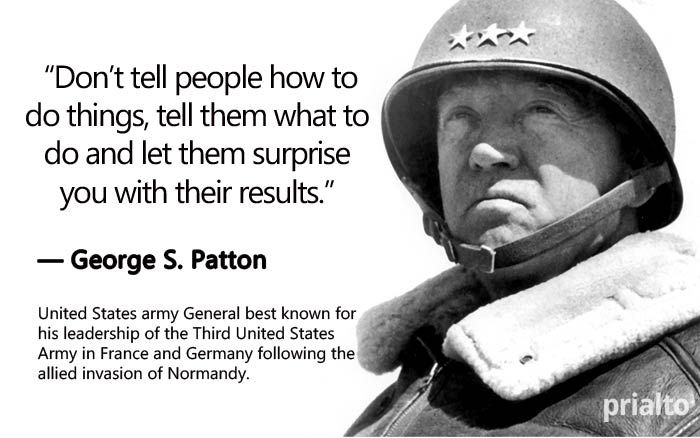
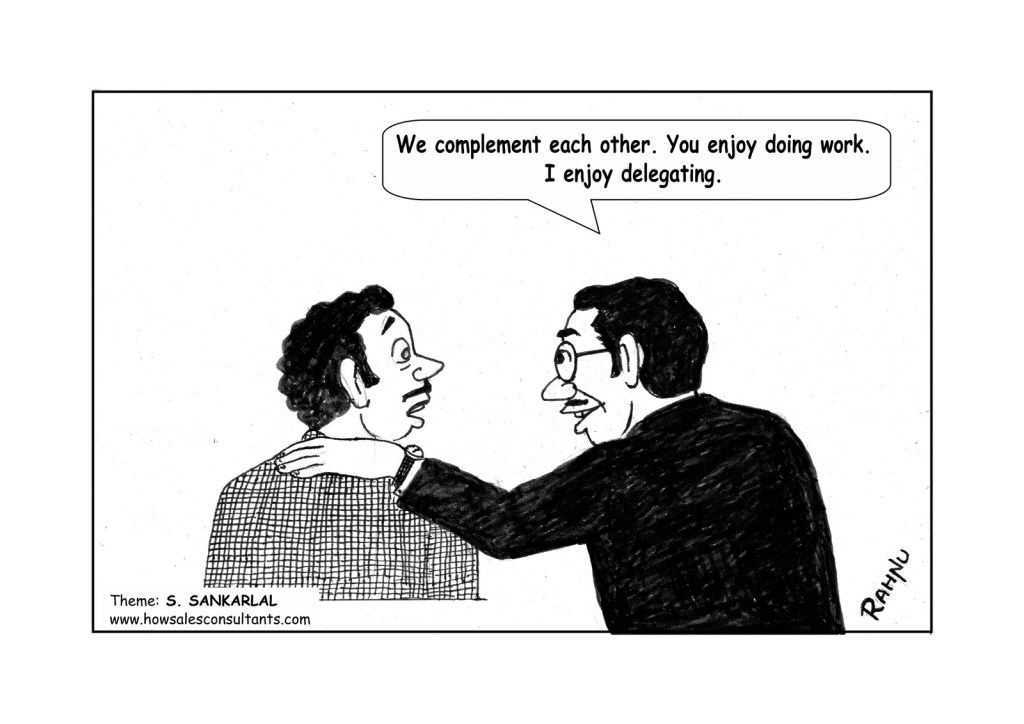
Delegation is not about getting rid of tasks; it’s about empowering others to help you achieve your goals.” -Laura Stack To delegate OR not to delegate: That is the Question?

Today’s organizations are all about team working & interdependence. And yet, some managers end up working alone when it’s time to collaborate with their teams? I believe the primary reason is insufficient delegation skills. Poor delegation shows itself as micromanagement, inconsistent deliverables, poor communication, & other unfavorable outcomes. Understandably, improving delegation skills is crucial for managers to enhance organizational effectiveness.

A study by HBS examined the role of delegation. They found that delegation enables subordinates to exercise self-direction & control, providing employees with meaning, perceptions of self-efficacy & self-determination, & the feeling that they make an impact. All these are key ingredients of empowerment. (https://online.hbs.edu/blog/post/how-to-delegate-effectively)

Why Delegation ?
Delegation is a critical skill for managers to master. This allows managers to utilize their team’s strengths & increase productivity. It allows them to get more done through their people & leads to higher output from the team & success for the organization.

When a manager can delegate work effectively, organizational stakeholders praise the manager for getting the best out of the team. Higher-level managers take note of this manager’s ability to run a productive unit & consider them for higher levels of management responsibility. Conversely, when a manager cannot delegate work effectively, organizational stakeholders criticize them for the inability to use their human resources effectively . Doing tasks that others should be doing or leading a team who are under-utilizing people resources is frustrating. I am sure all practicing managers have personal experience of this.

What Makes Delegation Difficult?
Delegation makes us feel that we are giving away control of our projects. Our emotions, passion for the project, limiting beliefs & our judgment of the other person comes into play. In delegation, remember we can delegate the task or execution, but never the responsibility for the task completion. Best example is of working parents who delegate child care to a nurse or relatives, but the responsibility for the child’s upbringing remains with them.

Why do Managers fail at Delegation? Getting over barriers to delegation, requires some emotional intelligence & personal development. It requires taking a good look at ourselves & evaluating how we are dealing with the -1.  Fear of Failure When handled correctly, mistakes can serve as valuable learning experiences to enhance performance, foster innovation, & refine operations. Through sufficient development & trust-building, team members are more likely to rise to the occasion rather than falter. Remember the Pygmalion Effect!!

2. Envy of Your Staff Member’s Ability If you feel a tinge of envy towards a particularly talented staff member whose skills surpass your own in certain areas, it’s important to address these feelings internally. Once you’ve intelligently managed your negative emotions, empower your skilled staff member to shine in their strengths. Their success ultimately reflects on you as a leader who harnesses talents of their team.

I once had a boss, who used to continuously deride & pull me down. I realized it was envy. So one day I sat down with him & openly told him, ” Sir I am not in competition with you. You are my boss & will remain so. My success will be counted as your team’s success” To his credit, our work relationship changed.

3.  Can Do It Better Myself! Of course you can! Your technical proficiency has played a pivotal role in your success. Reframe the question: “Is it more beneficial for me to handle this task myself or delegate it to someone else?” “Delegation is not a sign of weakness, but of strength.” – Steve Jobs. Tasks don’t have to be executed exactly as you would. Prioritize empowering your team rather than being overly involved in every task. I have always propagated that only a confident man, can delegate. The insecure will keep cards close to their chests & never delegate.

4. Like To Do This Myself! Principles of delegation emphasize that managers should delegate tasks that others can effectively handle. Whatever our job description, we all spend max time in areas which we enjoy working on. Learn quickly that your focus must be on managerial tasks that only you can handle. My public pronouncement in my team always was, “I have no quarrel with people who want to do my job. Pl come forward & take over. I will find something else to do!!! Both of us will be happy”

5. Better Not Give Him Too Much Authority or I Will Lose Control Effective delegation requires you to identify who possesses the right attitude & skill level Then grant them the authority to carry out the task. By delegating you are not losing control but you are adding a new skill to your skillset. It will allow you to create the space for deeper, strategic work. Moreover you are creating your replacement so that you can move elsewhere. I take great pride in the fact that I can count nearly 20 people who worked with me & are now heads of HR in different organizations. Some have risen well above my highest level. Even now, years after our official relationship ended, they insist on calling me Boss. When I challenge them, their answer is, ” we are only doing what you taught us to do: so you will always be my Boss”

Effective delegation strategies for managers:

  1. Play to your employees’ strengths & goals: Assign tasks that align with your team members’ strengths and career goals, increasing their engagement and motivation.
  2. Define the desired outcome: Communicate the expected outcome of the delegated task to ensure everyone is on the same page.
  3. Provide the right resources & support: Ensure team members have the necessary resources, training, & guidance to complete the delegated tasks successfully. That is your PRIME responsibility.
  4. Overcome common barriers: Address obstacles such as fear of failure, envy of employees’ abilities, and believing you can do it better yourself.
  5. Express appreciation and provide feedback: Show gratitude for your team members’ efforts and provide constructive feedback to help them grow and improve.
  6. Monitor progress and results: Regularly check on the progress of delegated tasks & provide support as needed. Evaluate the results & outcomes to identify areas for improvement. Remember, What gets measured, Gets done!.
  7. Delegate in stages: If you’re concerned about losing control or authority, start by delegating smaller tasks & gradually increase the responsibility as team members gain confidence & experience. And you learn the game!!

  8. Train employees adequately: Ensure your team members are well-prepared for delegated responsibilities by providing adequate training & support.

Let me end with a personal example of a Guru & Master I met on my journey. I was a training & development person with some skill in Recruitment first 2.5 years of my career. I was transferred to Corporate Industrial Relations to assist Arun Bhende. Within 2 months of working with him, when he taught me the ropes of Labor Laws and Drafting, we had a strike situation in one of the plants, Bhende told me to go & handle it alone. I was aghast!! Here was a rookie in IR, never worked in a plant or with blue collar employees, being asked to handle a strike. Scared to the core, I expressed my reservations. Supremely confident Bhende’s one line brief was, “Vikas, go to Nashik and do what you think is right. Industrial Relations is practical wisdom. You cannot go wrong. And if you do goof up, tell people you had consulted Bhende & he told you to do that. Don’t worry, I will back you up whatever it is”. I learnt Delegation from that one incident And all my life I have been indebted to that Maharao for the baptism by fire.

Remember Delegation helps you grow & helps your team grow too ; fusion of स्वार्थ & परमार्थ ; try it: vikas

Learn, to Change

“History doesn’t repeat itself; human nature stays the same.” – Charlie Munger. There is a PJ that illustrates this mindset. A worker lost a finger while working on a circular saw. His manager went to the site to investigate the accident. “What happened?” he asked in anguish. The worker said, ” I was working on his critical job. I fed it slowly to the rotating saw machine like this, and…..Oh! No!! here goes another finger!!!” What can one say?

Not sure if the beginning quote is exactly what Munger said; I might be paraphrasing it, but this sentiment has been a game-changer for me. This is a helpful explainer about why people do what they do. People (including me) like their own ideas. People (including me) act per their own motives. People (including me) act irrationally & have their own biases. In short, people are gonna do what they’re gonna do. Rather than get frustrated with that, it’s helpful to be curious about their drivers & incentives and adjust. Alvin Toffler, the Futurologist, defined the illiterate of today not as one who cannot read write, but as one who cannot learn, unlearn & relearn. In today’s changing times, this is a survival skill. Ask Nokia, Ask Kodak. Ask PanAm. Ask Borders. Ask Toys r Us.. ..their past success did not protect them when they did not change, relegating them to folklore. If you have not learnt anything new today, check your pulse: you may be dead!!!

Remember what Darwin said oh so long ago, “It is not the strongest of the species that survives, … It is the one that is the most adaptable to change.” History is replete with skeletons of people & companies that refused to change, as noted earlier. Never gainsay the power of preparation. If you want to be excellent, you have to practice. To do the hard & sometimes boring work requires lots and lots of preparation. Which is why Archilochus reminds us ,” We don’t rise to the level of our aspirations; we fall to the level of our training.”

As a people manager & a leader I have often had to say,” I did not tell you this!! Told you to do it the other way!! Did you not understand? You never even asked a question? Or seek any clarification?? So I assumed, it was all ok. I leave the task to you & see what has happened now!!! a perverse result!! We will now spend enormous time & resource to back-track & undo what you have done so that we can get back on the right path.” Sounds familiar? Where did we go wrong? The answer lies in the preparation & practice. If as a leader you have demonstrated correctly, resolved queries & questions, helped your team see the steps correctly & the pitfalls to avoid, you will increase your chances of success! That is why Napoleon Bonaparte cautioned, ” Train hard; Fight easy!!” Our own Sam Bahadur cautioned his soldiers, “The more you sweat in peace, the less you bleed in war,”. Flawless execution is dependent on practice, preparation & alignment amongst your team. Remember the grand-old-man Aristotle’s conclusion,” We are what we repeatedly do. Excellence, then, is not an act, but a habit”.

This, by the way, is why it’s helpful to love your job – that’s the only way you’ll be able to fall in love with the practice, the routine and the humdrum. Only when you do that, you may steer clear of the situation so well described by Javed sahab’s couplet:

ये तसल्ली है कि हैं नाशाद सब,

मैं अकेला ही नहीं बर्बाद सब | (This is a consolation that everyone is cheerless & unhappy/ I am not the only one who is ruined.) Queen’s English has a saying, “Drowning with friends is a ceremony !!” But organizations are paying us for success, for being able to steer clear of the rough seas & not letting your boat or your organization sink. With the turbulence in the markets today many a organizational ship does capsize, unable to meet the buffeting waves of competition & change. But then a Smooth Sea never made Skilled Sailors. And remember, the Ship is safest in the harbor!! But it was not built to remain in the harbor. It must learn to navigate the open seas, under the captaincy of a learned sailor.

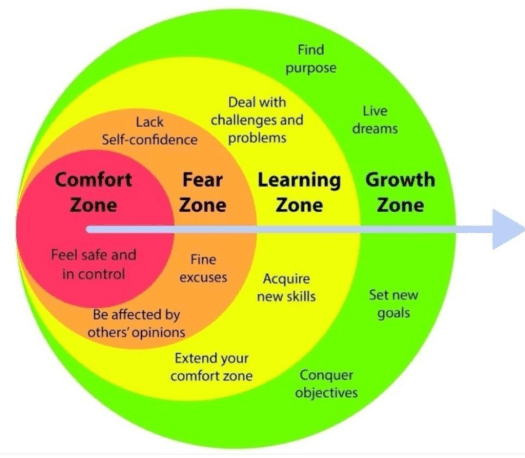
The harsh conditions of life make a person tougher & more capable. Through our experiences, we know that difficult situations often give the best lessons of life!!. To emerge as a good leader, one must be ready to face challenges & grow through adversities. They say that “Magic happens outside our comfort zone”. History is replete with examples of this. And yet…we seek to remain cocooned. We need the restlessness of Ulysses, “ To strive, to seek, to find, and not to yield.” Fear is par for the course. But only when we pass through Fear, we learn and grow.

To me the real challenge of leadership is to share the vision of a better tomorrow & the discomfort inherent in the present. This goes back to the classic Dannemiller Formula on how to overcome resistance to change (R). Dannemiller puts it thus : C= D*V*F>R ie Change happens when Dissatisfaction with how things are now*Vision of what is possible*First concrete steps taken towards the vision. If the product of these three factors is greater than R ( resistance) then Change occurs.

Remember if Dissatisfaction, Vision, First Steps : if any of these is zero then the product will be Zero and so Change will not happen.

Presently I am supporting a Business Unit of large engineering major with a program on Cultural Transformation….big word for Change. With a new BU head taking over the unit, he is actively championing a debate on the need for Change. He has a clear Vision of where he wants to reach & is presently busy socializing the need for change…the dissatisfaction with the present. Pulled forward by their vision and encouraging his team to take the First steps to actualize the Vision. On a war footing, we are all working together to overcome the Resistance to change. Fortunately the team is aligned to the new vision & employees are enthusiastic in buy-ing in to the new vision & walking the change path. Of course people are people, old habits die slowly, so we are facing the proverbial one step forward, one step backward; “duck walk” on the road to the vision. But as long as we consistently paint the Vision, show the Dissatisfaction for the present & take (First) concrete steps ( though baby size) we will reach the destination eventually. Change is never clean, it is messy, but as long as direction is set and support & commitment is there यह गाडी तो निकल चुकी (we are on our way) .

Let me end, by repeating the cautionary words of Joseph Campbell : “If you can see your path all the way through to the end, you’re following someone else’s path.” Seek your own, beloved fellow travelers!!!

Remember, not being able to see the end is a plus not a minus: it is helping you follow your own unique path to success. Go for it: chameleon vikas